
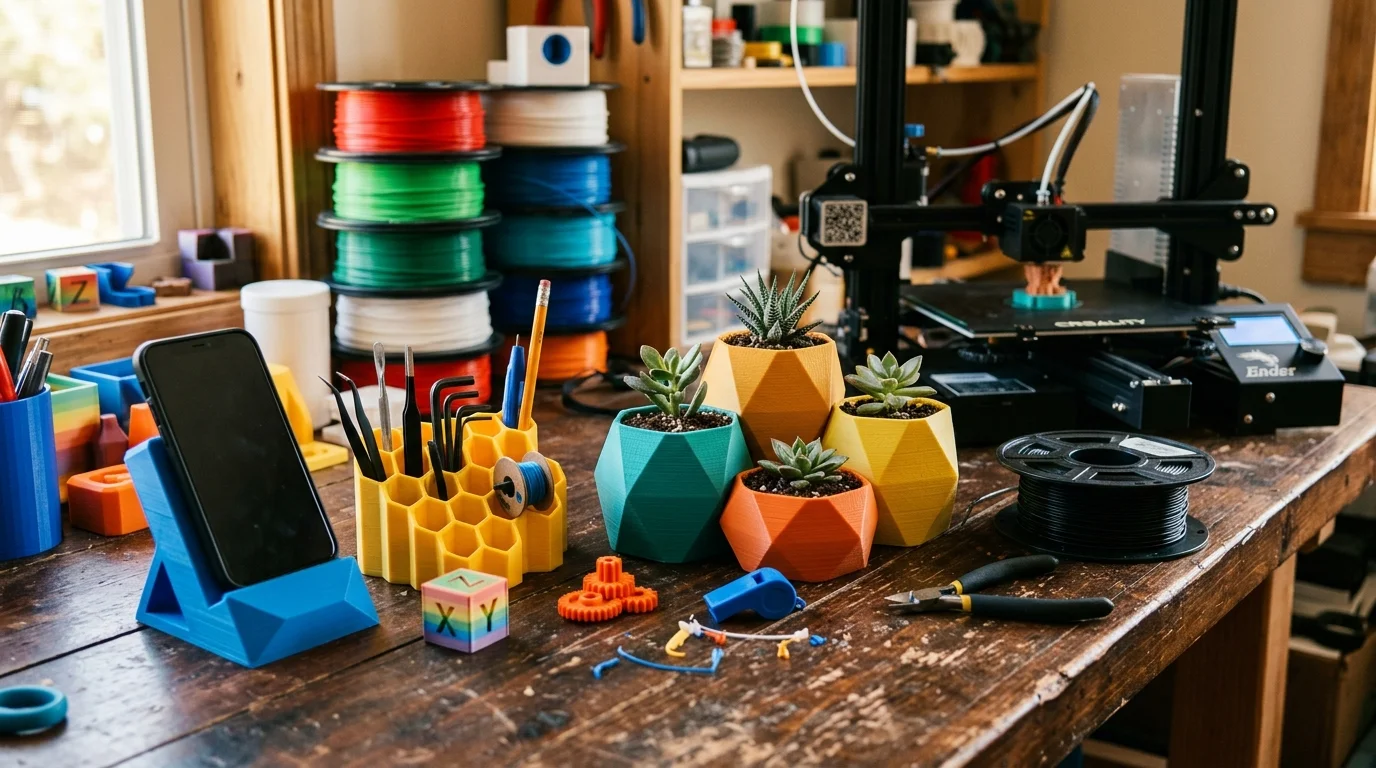
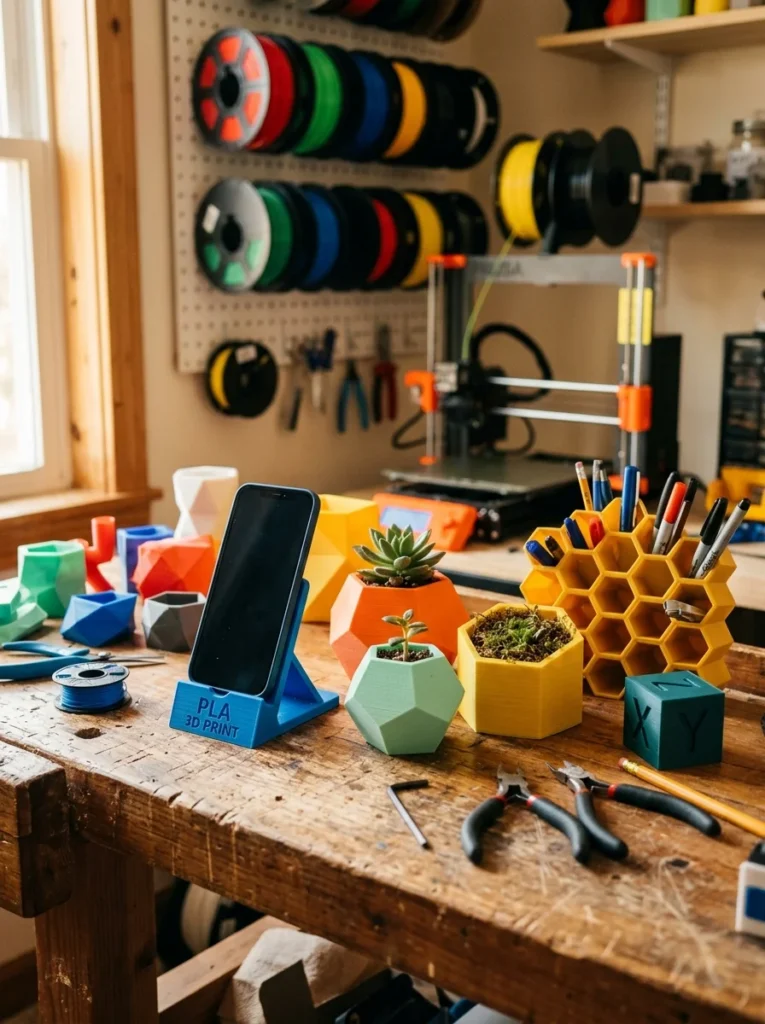
3D printers used to feel like toys for hobbyists who liked tiny dragons and chess pieces. That’s changed. People now print things that fix real problems around the house, the garage, and the desk. You don’t need an expensive machine or fancy software to get started. A basic printer and a free design file can solve a surprising number of daily annoyances. This list rounds up printing projects that look cool but actually pull their weight. Each one comes with a simple way to try it without spending much money. Grab your printer and pick one to start with today.
1. Modular Cable Organizers
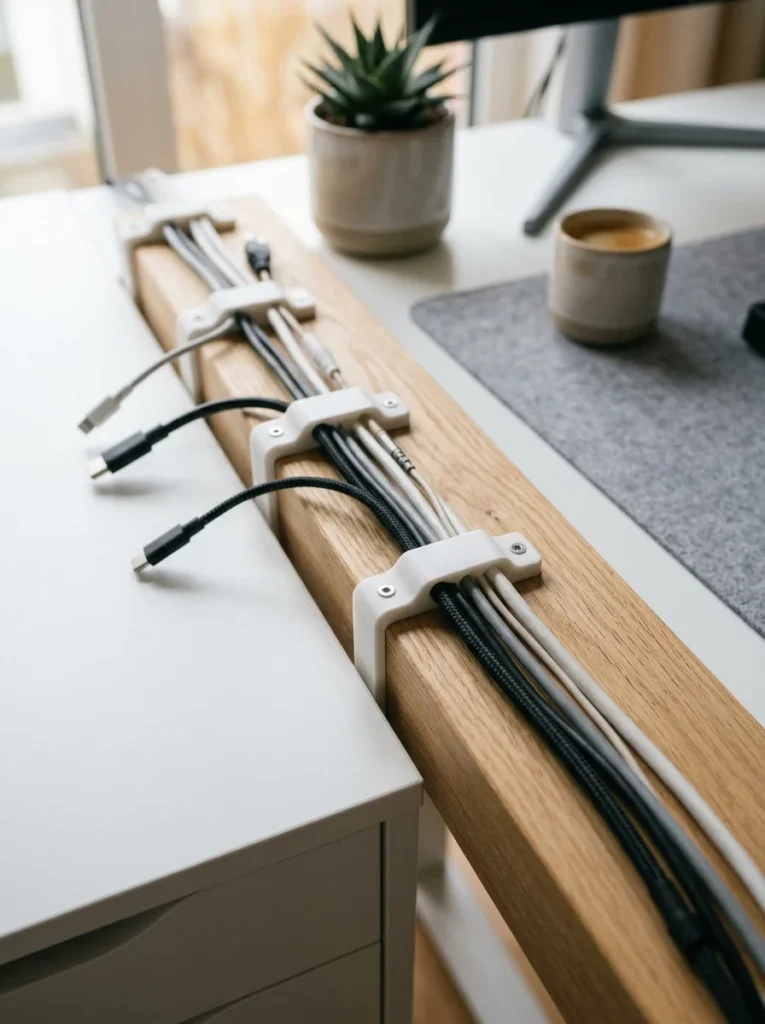
Cables turn any desk into a mess fast. A set of printed cable clips fixes that in minutes. They snap onto the edge of a desk or wall and hold wires in place. No tools needed. No sticky residue left behind like tape. You can find free clip designs on sites like Printables or Thingiverse. Most print in under fifteen minutes per clip. Use leftover filament scraps if you have them.
A full set costs almost nothing to make. Pick clips sized for your specific cables: USB-C, HDMI, charging cords. Print a few extra since they’re tiny and easy to lose. Place them along your desk edge, under a shelf, or behind a monitor. Your space looks tidier instantly. This is a great starter project if you’re new to printing. It teaches you about clip tolerances and print orientation without wasting much filament. Once you get the hang of it, try printing a matching cable box to hide power strips too. Small project. Big difference in how your workspace feels every day.
2. Custom Drawer Dividers
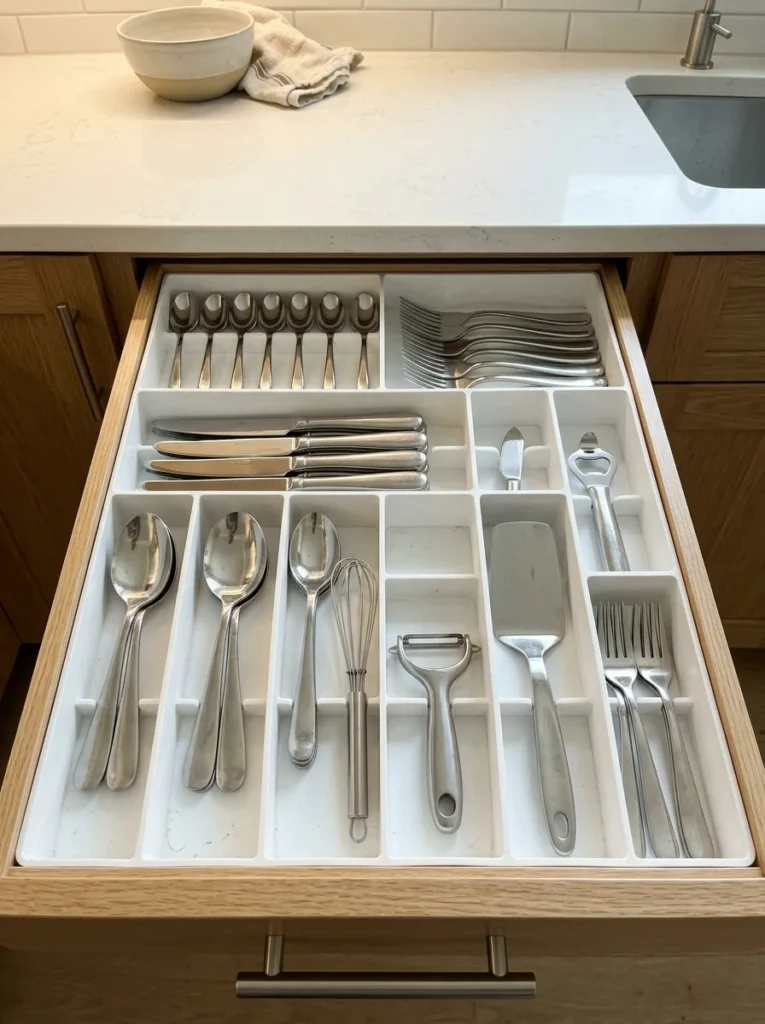
Store-bought drawer organizers rarely fit right. Drawers come in odd sizes and store-bought trays leave gaps. Printed dividers solve this because you design them to match your exact drawer. Measure the inside of your drawer first. Then use a free tool like Tinkercad to build simple rectangular sections. You don’t need design experience. Basic boxes and grids work fine. Print sections in batches so you can rearrange them later.
This works great for kitchen utensils, office supplies, or bathroom drawers. Use light infill to save filament and print time. Most dividers don’t need to be strong, just functional. If a section breaks or doesn’t fit, reprint just that piece. No need to redo the whole project. This is a good weekend project for beginners. It teaches measuring and basic CAD skills without much risk. Try one drawer first before doing your whole kitchen. Once you’re happy with the fit, scale up to other rooms. A few hours of work means drawers that finally make sense.
3. Adjustable Phone and Tablet Stands
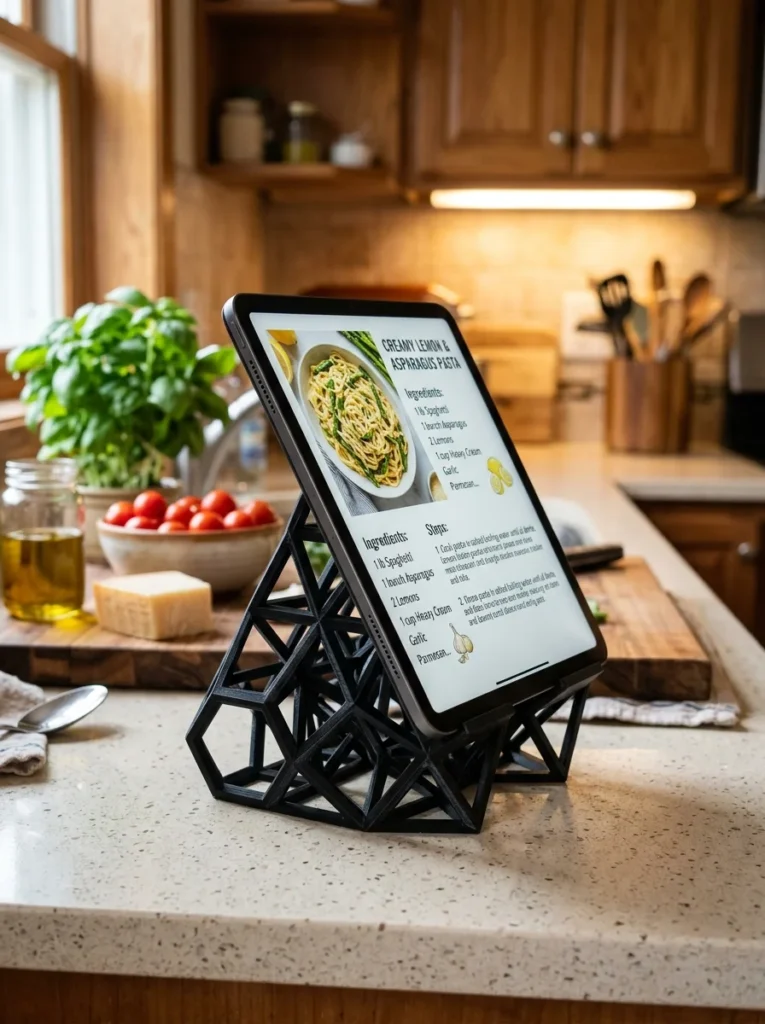
A good stand changes how you use your phone or tablet. Adjustable stands let you change the angle for video calls, recipes, or watching shows. Look for designs with a hinge or notch system instead of a fixed angle. These print in one piece, no assembly needed. PLA filament works fine since stands don’t need heat resistance. Print one for your kitchen counter to follow recipes hands-free.
Print another for your nightstand to prop up a tablet at night. Most designs use under 50 grams of filament, so cost stays low. If you eat at your desk and watch videos, a stand keeps your phone steady and visible. Add a small cutout in the design for your charging cable so you can use the stand while charging. This avoids the wobble you get from books or boxes propping things up. Once you find a stand size you like, save the file. Print copies for every room. It’s one of those projects that feels small but gets used constantly, every single day.
4. Garden Plant Markers and Pots
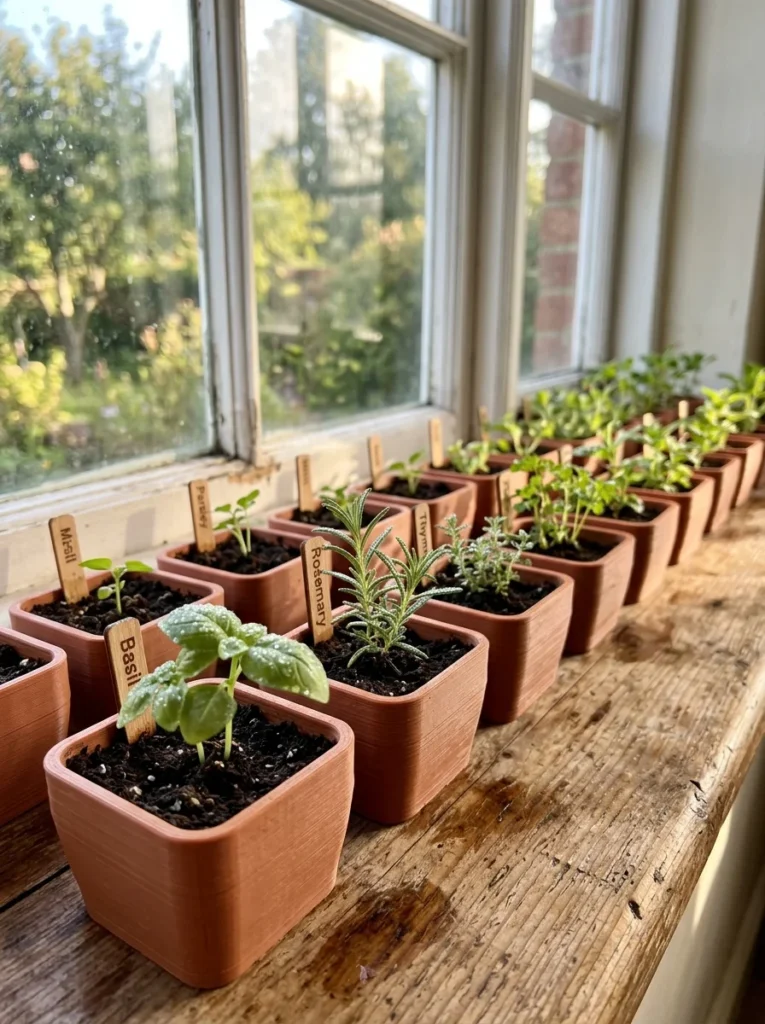
Gardening gets easier with the right small tools. Plant markers help you track what you planted without relying on memory. Print simple stake-shaped tags and write plant names with a marker. These survive outdoor weather better than paper tags. For pots, print small planters with built-in drainage holes. PETG filament holds up better outdoors than PLA since it resists moisture and sun better. Start with herb-sized pots since they use less filament and print fast.
A basic 3-inch pot might cost less than a dollar in material. Group a few different pot designs on a windowsill for a simple herb garden. If you already have seedlings, measure their root systems before picking a pot size. Too small and roots get cramped. Too big and you waste soil and filament. Print drainage trays to go underneath, so water doesn’t damage countertops or windowsills. This project pairs well with apartment living since space is often tight. A handful of printed pots and markers turns a windowsill into a working mini-garden.
5. Replacement Parts for Broken Appliances
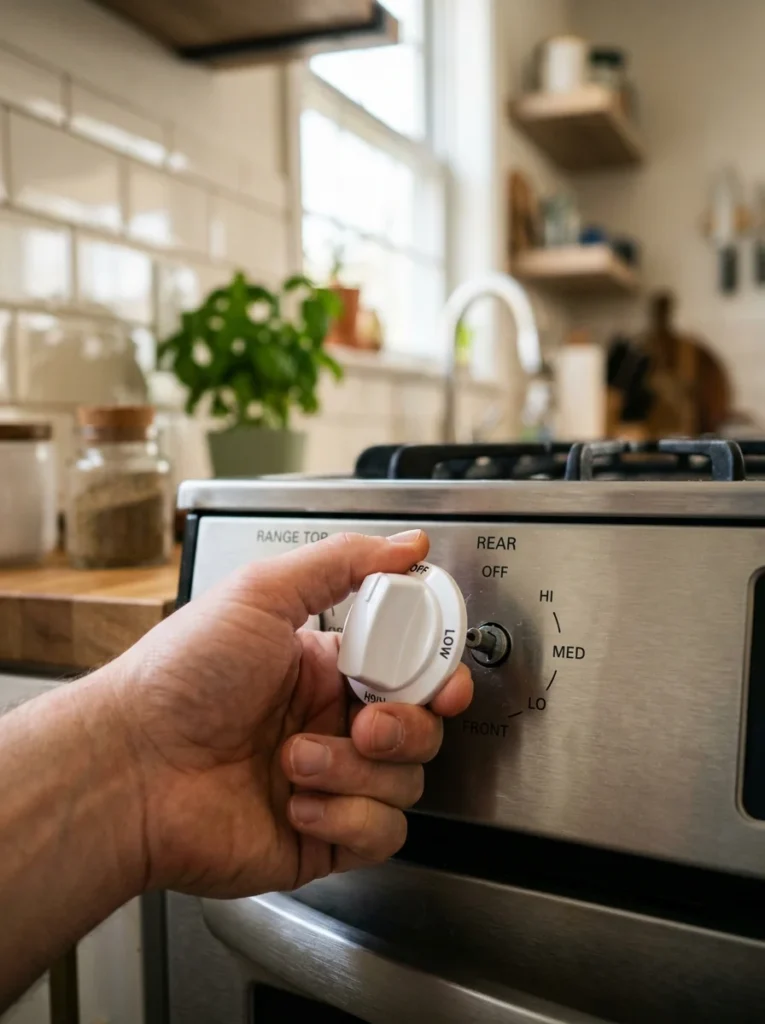
Appliances often break because of one tiny plastic part. A broken knob, latch, or clip can mean the whole appliance gets tossed. Printing replacement parts saves money and stops perfectly good appliances from ending up in the trash. Search sites like Thingiverse or Printables using your appliance’s brand and model number. Many parts already exist because other people had the same problem. If you can’t find an exact match, measure the broken piece with calipers and design a basic replacement in Tinkercad.
Simple shapes like knobs, clips, and brackets are easier to recreate than you’d think. Use PETG for parts near heat, like oven or microwave knobs, since it handles warmth better than PLA. For parts that snap or flex, like clips, print a few test versions first. Small adjustments matter for fit. This approach works for blenders, washing machines, vacuum parts, and more. Before buying a $20 replacement part online, check if you can print one for under a dollar. It’s one of the most practical reasons to own a printer at all.
6. Wall-Mounted Tool Holders
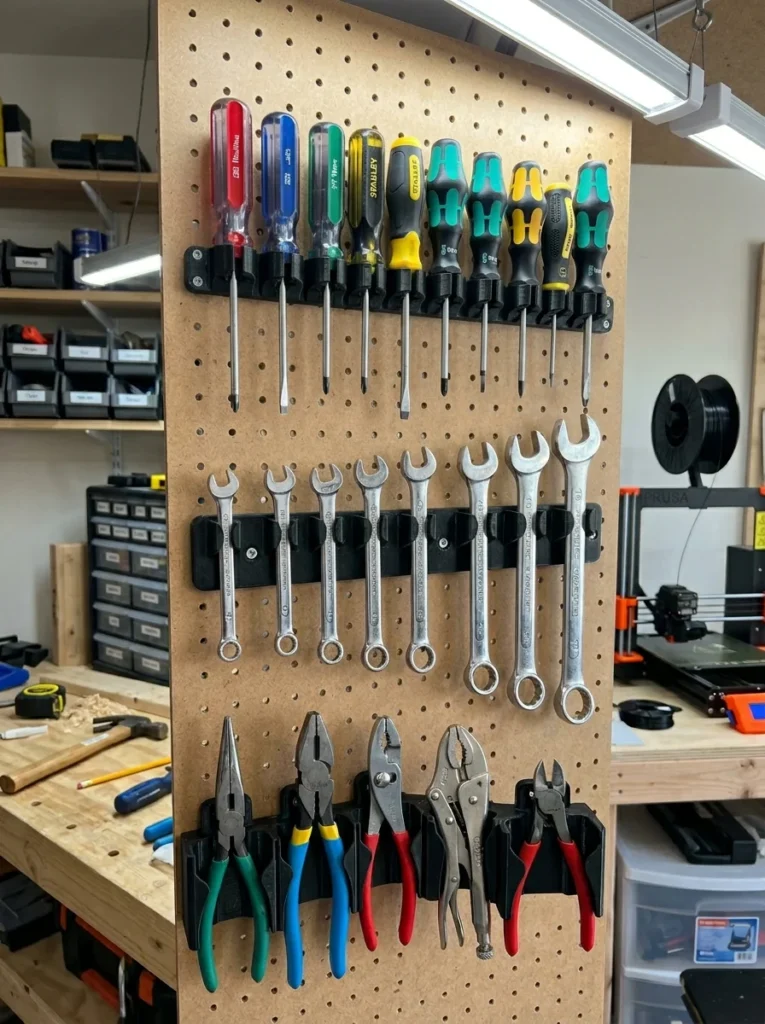
Garages and workshops get messy fast without a system. Custom tool holders keep frequently used tools visible and easy to grab. Design holders shaped to match specific tools, like a screwdriver slot or a wrench hook. This works better than generic pegboard hooks since tools sit snug and don’t slide around. Measure your most-used tools first. Start with five or six holders instead of redoing your whole wall at once. Mount them with screws directly into a pegboard or wall studs.
PLA filament holds up fine for light tools. Switch to PETG for heavier items like hammers or power tool batteries. Color-code holders by tool type if you want a quick visual system: red for cutting tools, blue for measuring tools. This makes grabbing the right tool faster, especially during projects with a lot of back-and-forth. Print a few spares since holders sometimes crack from impact over time. This project pays off most in garages or shared workshops where things go missing fast. A little time spent here saves frustration on every future project.
7. Personalized Cookie Cutters
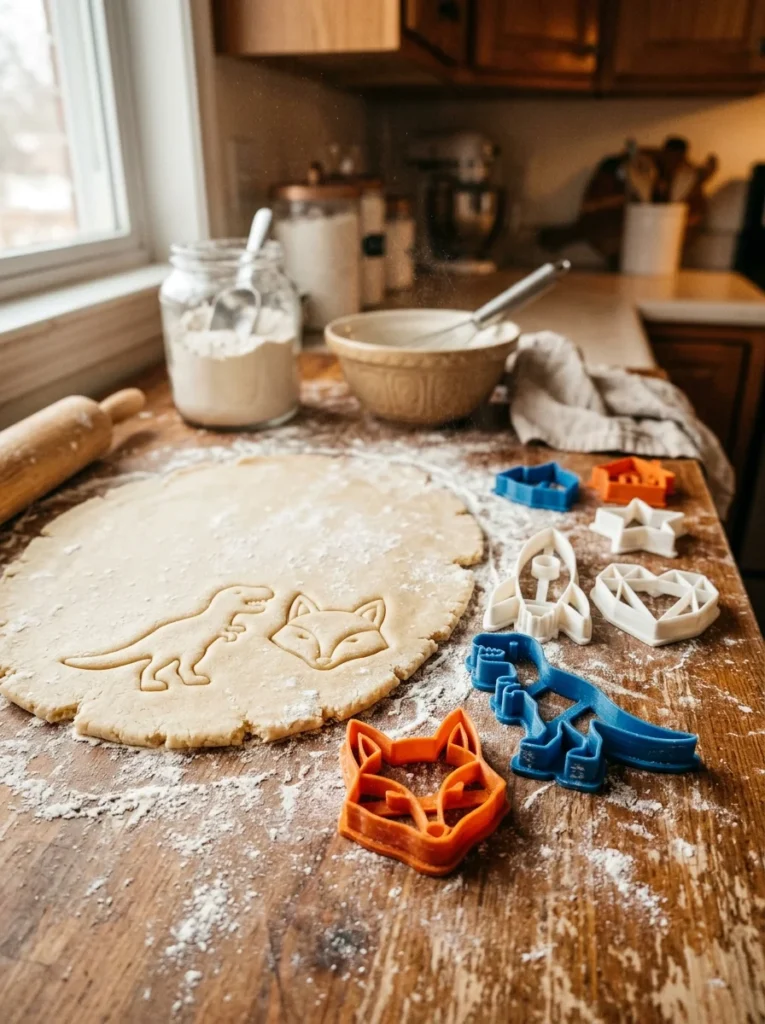
Store-bought cookie cutters only come in basic shapes. Custom cookie cutters let you design exactly what you want: initials, logos, or seasonal shapes. Use a free tool like Cookie Cutter Tool or Tinkercad to trace an image into an outline shape. Keep designs simple with rounded edges since sharp corners tear dough. Print using food-safe PLA filament, and always wash cutters before first use. Thin walls work best for clean cuts, around 1.5mm thick.
A basic cutter uses very little filament, so the cost stays under a dollar each. This works great for birthday parties, holidays, or matching a kid’s favorite cartoon character. If you run a small baking side business, custom shapes help your cookies stand out without paying for expensive metal cutters. Test a shape with play-dough first before committing to actual cookie dough. This saves time if the design needs tweaking. Store cutters in a labeled bin so you can reuse them every year. A few hours of design work turns into cookies nobody else has the mold for.
8. Bike and Scooter Accessories
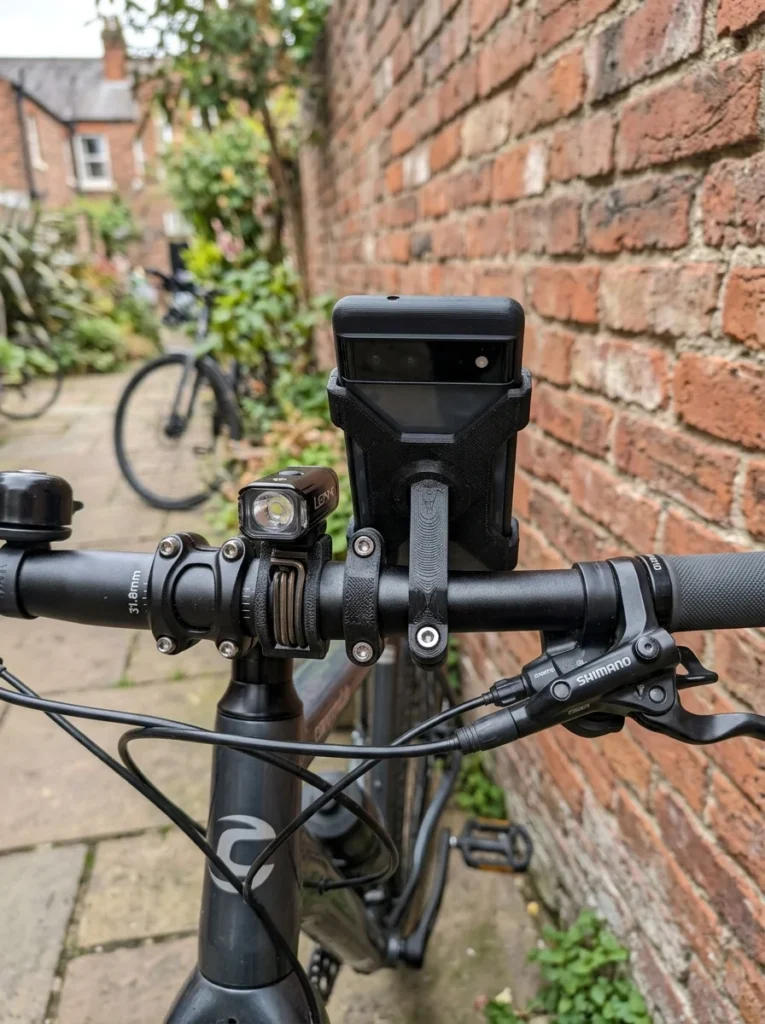
Bike accessories from stores often cost more than they should for simple plastic parts. Printed bike accessories like phone mounts, bottle holders, and cable guides solve this. Measure your handlebar diameter before printing a mount, since sizes vary between bikes. Most designs use a clamp system with bolts, so you’ll need a few cheap hardware pieces alongside the print. PETG works better than PLA here since bike parts sit outside in heat and rain.
A printed bottle holder mounts under the frame and holds a standard water bottle without added straps. For scooters, print a small phone holder for the handlebar so you can use maps while riding. These projects cost a few dollars in filament compared to $15 to $30 for store versions. Check fit before riding off, since a loose mount can crack on bumps. Tighten bolts after the first few rides since plastic settles slightly. This project works well if you commute by bike and want your phone visible without holding it. Small print, real daily use.
9. Modular Shelf Brackets
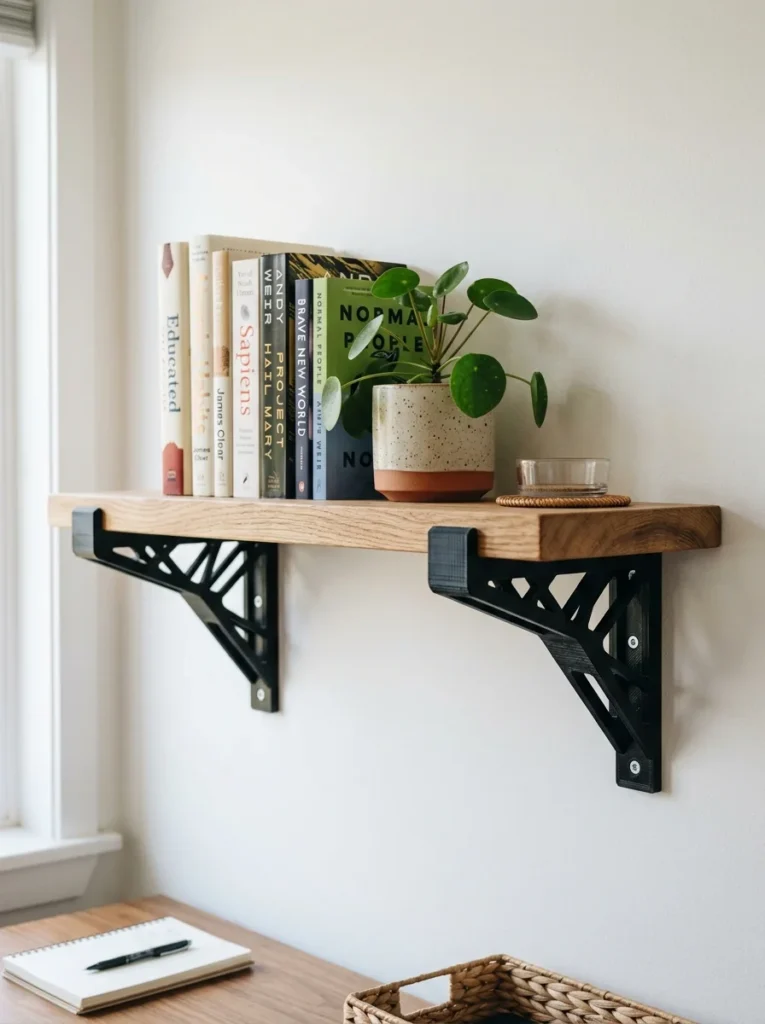
Floating shelves often need brackets that fit a specific shelf depth. Printed shelf brackets let you customize size and load support without buying generic hardware. Measure your shelf board’s thickness and depth first. Design a simple L-shaped or triangle bracket in Tinkercad, then test print one before making the full set. Use high infill, around 50 to 60 percent, since these brackets need to hold weight. PETG is the safer choice for anything holding more than a few books.
Mount brackets directly into wall studs with screws for stability, never just drywall anchors alone. This works well for small shelves in bathrooms, closets, or kitchens where store-bought brackets don’t match your space. If a bracket feels weak, add a support rib in the design rather than printing it solid, which saves filament. Test the shelf with light items first before adding anything heavy. This project teaches load-bearing design basics in a low-risk way. Once you trust the design, print matching sets for multiple shelves around your home for a consistent look everywhere.
10. Desk Cable and Charger Docks
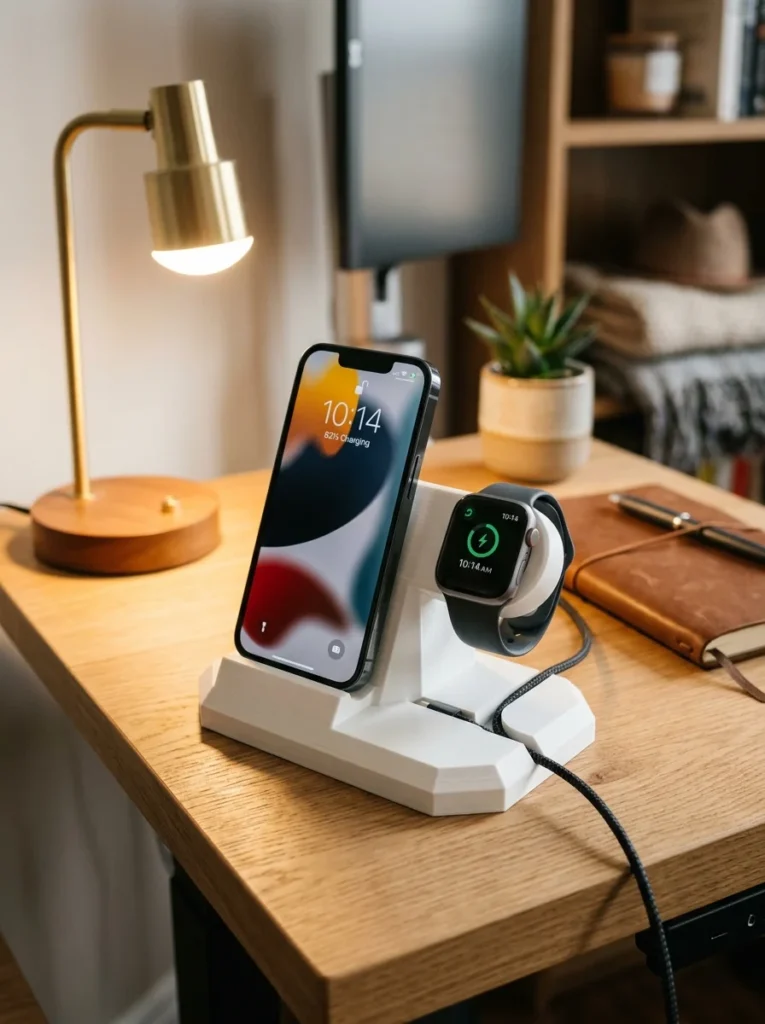
Chargers and cables pile up fast on any desk. A printed charging dock keeps phones, watches, and earbuds upright and organized in one spot. Measure your charging cables and devices before picking a design, since dock openings need to match cable connector sizes. Many free designs include slots for multiple devices at once. Route cables through a hole in the back so the dock looks clean from the front.
Print using PLA since docks sit indoors away from heat. A basic dock uses around 30 to 60 grams of filament. This beats buying a $25 charging station for a similar result. If you charge a phone and a smartwatch overnight, a shared dock keeps both visible and easy to grab in the morning. Add rubber feet or a small foam pad underneath to stop sliding on smooth desks. This project works well as a gift too, since you can size it for a specific phone case or watch band. A small organized corner makes mornings less rushed and less messy.
11. Pet Feeding and Toy Accessories
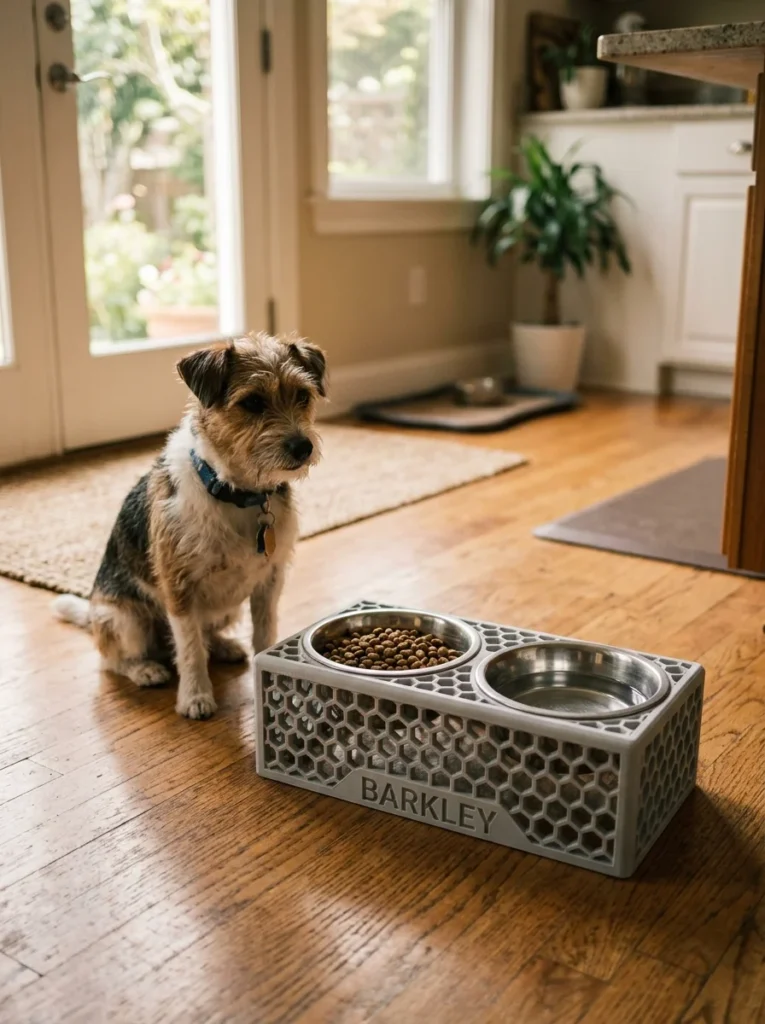
Pets need gear too, and printed pet accessories can fit your specific animal better than store options. Raised feeding stands help dogs with joint issues eat without bending too low. Measure your pet’s bowl size and shoulder height before designing a stand. Use PETG since stands near food and water benefit from better moisture resistance. For cats, print small treat-dispensing toys with a hole sized for your specific treat brand.
Test the hole size with a few treats before printing a full batch. Leash clips and tag holders are smaller projects that still solve real problems, especially if your pet’s collar tag keeps falling off. Always sand printed pieces that touch your pet’s mouth or paws so there are no sharp edges. Avoid letting pets chew directly on prints unless using pet-safe filament, since regular PLA isn’t meant for ingestion. This project works well if you have a senior pet or one with specific feeding needs that store-bought products don’t address. A custom fit makes daily pet care just a little smoother.
12. Closet and Wardrobe Organizers
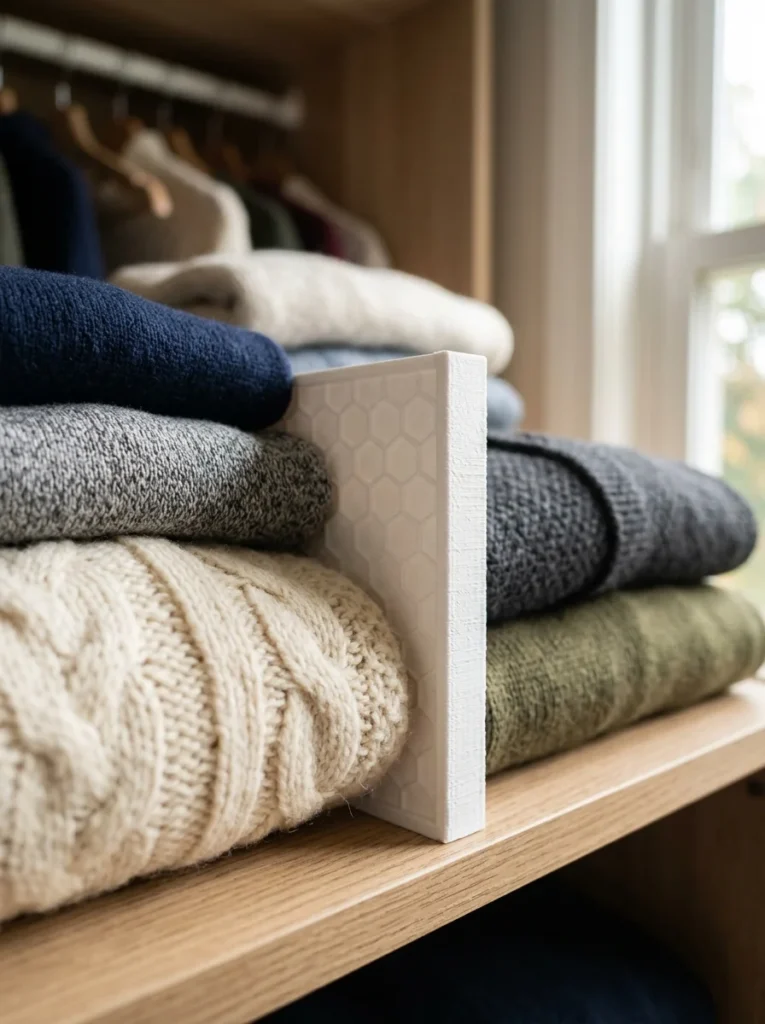
Closets get chaotic without some kind of separation system. Printed wardrobe organizers like shelf dividers, scarf hooks, and belt holders fit oddly shaped closet spaces better than bulky storage bins. Measure your shelf width before designing dividers, since closet shelves vary more than people expect. Print dividers with a flat base and a vertical wall, tall enough to keep stacks from toppling. For hanging space, print small hook attachments that clip onto closet rods, perfect for scarves or thin belts.
PLA works fine here since closets stay dry and cool. A single divider might use 20 to 40 grams of filament, keeping the whole project under a few dollars total. Print a batch in one go to save time switching filament colors. This works especially well in small apartments where closet space is limited and pre-made organizers rarely fit the exact dimensions available. Once one shelf is organized, repeat the design for additional shelves. A weekend project like this turns a messy closet into something that actually makes sense to use daily.
13. Mini Tool and Fidget Gadgets
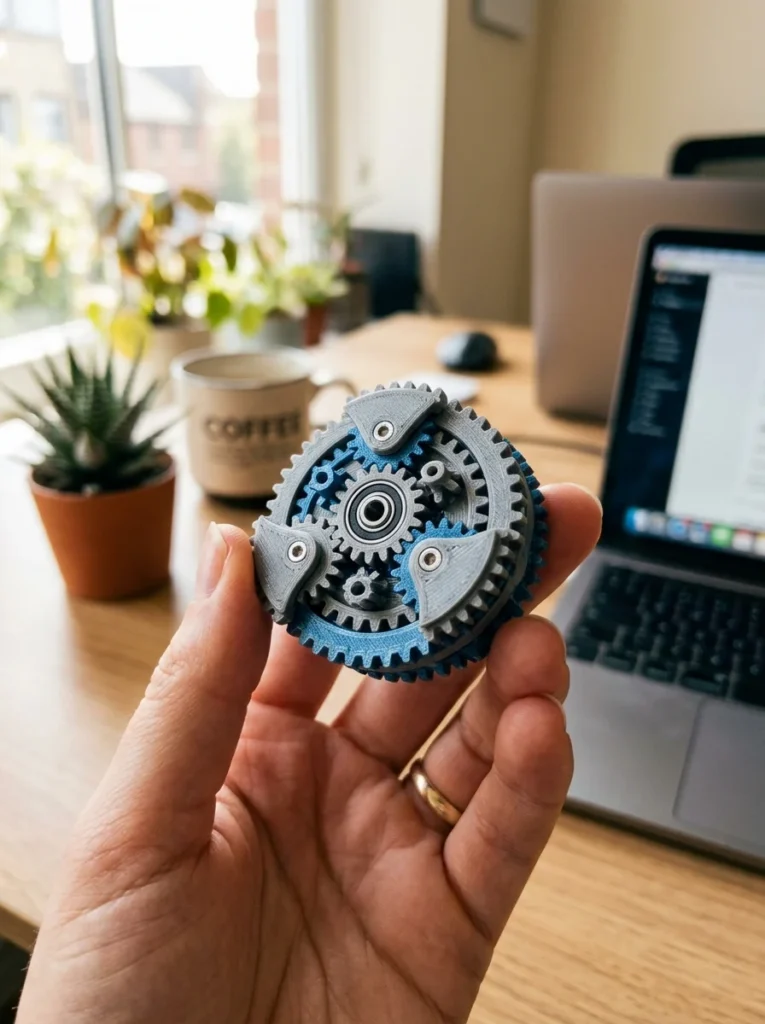
Small printed gadgets make great low-cost projects for testing new skills. Mini fidget tools like gear cubes, spinning tops, or interlocking puzzles print fast and use little filament. These work well as practice projects before tackling bigger functional prints. Many gear-based designs print fully assembled, meaning the parts move right off the print bed without needing glue. This teaches you about tolerances and how tight or loose moving parts should be. Use PLA since it prints cleanly and holds detail well for small mechanical parts.
A basic gear toy might take one to two hours and a few grams of filament. These also make good desk distractions during calls or breaks. Keep one in a bag or car for kids who need something to do during waits. If a design jams during printing, this usually points to print settings rather than the file itself, like a nozzle too close to the bed. Treat these as a low-stakes way to build comfort with your printer before moving to bigger furniture or repair projects.
14. Outdoor and Patio Accessories
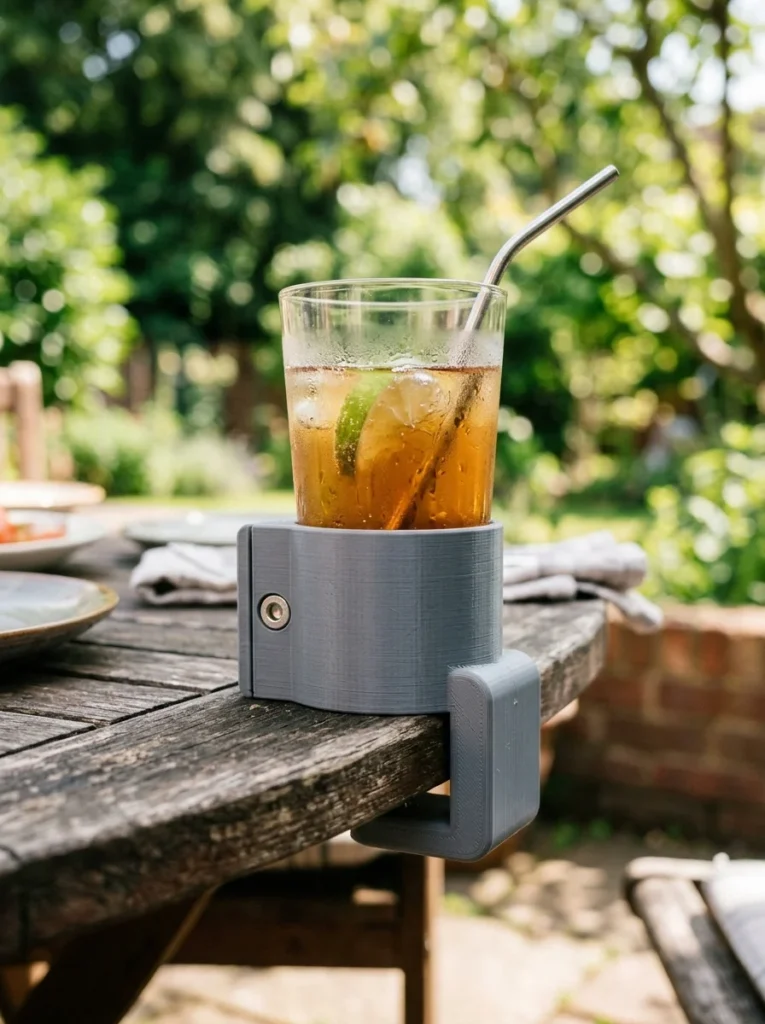
Patios and balconies benefit from small accessories that store-bought options rarely offer in the right size. Printed patio accessories like drink holders that clip onto table edges, plant hooks, or solar light mounts solve specific space problems. Use PETG or ASA filament for anything staying outside long-term, since these resist sun damage better than PLA. PLA can warp or get brittle after months in direct heat. Measure your table edge thickness before printing a clip-on drink holder, since tables vary more than expected.
For hanging plants, print S-hooks sized to your railing thickness rather than buying generic hardware store hooks that might not fit. Solar light mounts can attach printed brackets to railings where the lights didn’t originally come with mounting options. This project works well for renters who can’t drill into railings or walls, since clip-on designs avoid permanent changes. Test outdoor prints through one full week of weather before trusting them long-term. Small adjustments in infill percentage help durability without using excess filament. A few accessories can make a small patio feel more set up for actual use.
Conclusion
3D printing stopped being just a novelty once people started solving real problems with it. Each project on this list costs little, takes a few hours at most, and replaces something you’d otherwise buy or live without. Start with one item that matches a problem you already have at home. Measure twice before printing, keep your filament choice matched to where the part will live, and don’t worry about getting every design perfect on the first try. A printer becomes far more useful once you treat it like a tool instead of a toy. Pick a project from this list and print something you’ll actually use this week.
