

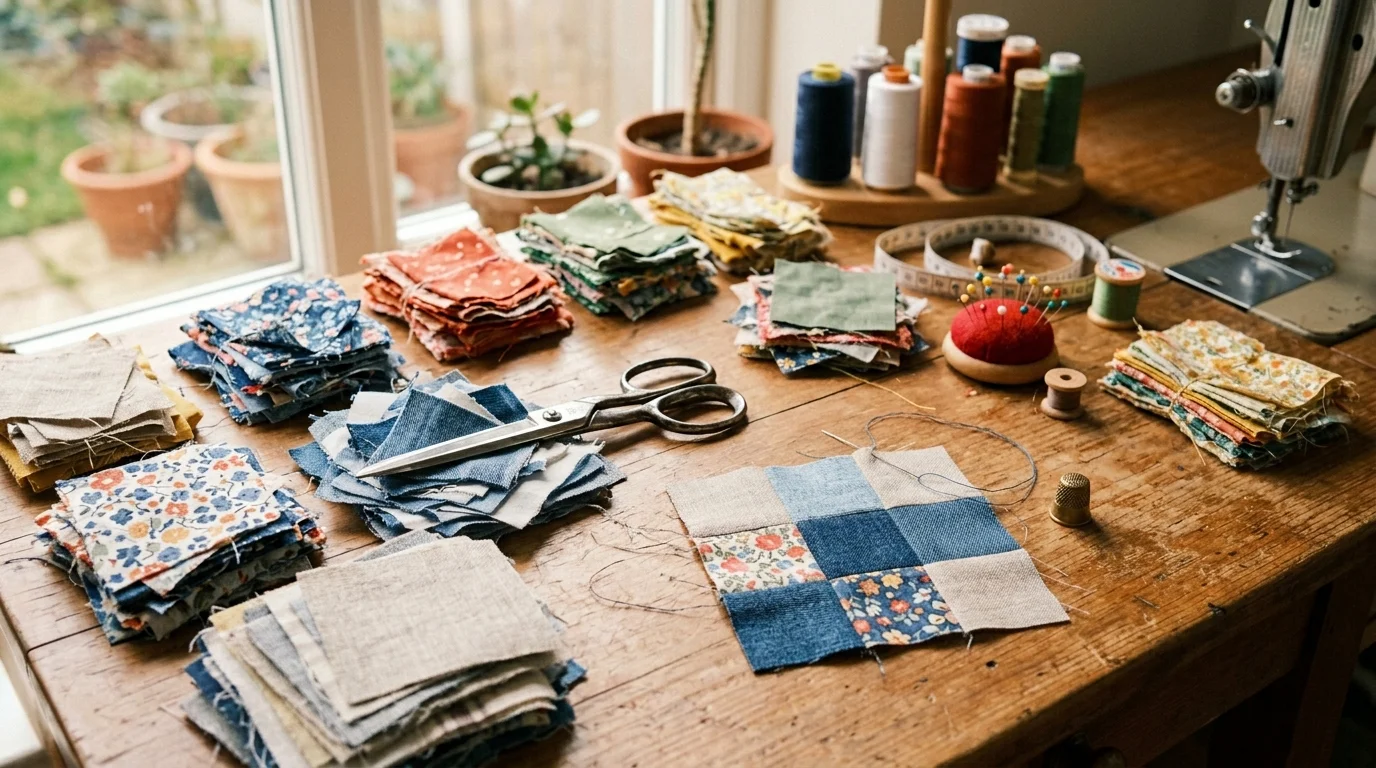
Every sewing project leaves behind a pile of leftover fabric, and most of it ends up in a junk drawer or the trash. That’s a waste of good material and a missed chance to make something useful. Scrap fabric sewing turns those odd-shaped pieces, frayed strips, and tiny cutoffs into real, usable items for your home, your closet, and even your kid’s toy box. Whether you’re a quilter with a basket of leftover squares or someone who just hates throwing away a perfectly good piece of cotton, this list gives you practical, budget-friendly ways to use every last scrap. No piece is too small. Grab your scrap bin and get ready to sew smarter, not wastefully.
1. Patchwork Coasters
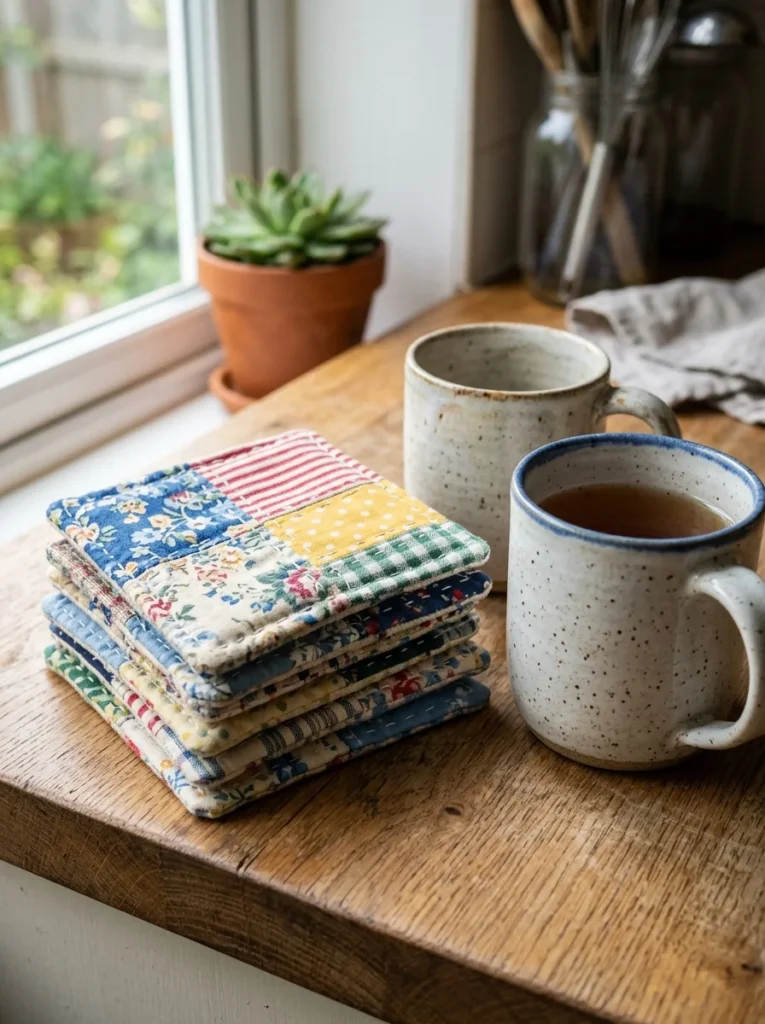
Patchwork coasters are one of the easiest ways to use up tiny scraps. You only need pieces about four inches square. Sew several together in a simple grid pattern. Then back it with a slightly larger piece of fabric and add a layer of cotton batting if you have some leftover. Quilt it with straight lines for extra durability. These coasters protect your table and look handmade and personal. They make a great gift too. Tie a few together with ribbon for a hostess present. If you don’t have batting, an old t-shirt cut into a square works as a substitute layer. Keep the stitching simple with a basic straight stitch on your machine. You don’t need fancy quilting skills for this one. Mix prints and solids for a fun, scrappy look, or stick to one color family if you want something more put-together. Either way, this project costs almost nothing since it’s built entirely from leftovers you already have sitting around.
2. Fabric Scrap Bookmarks
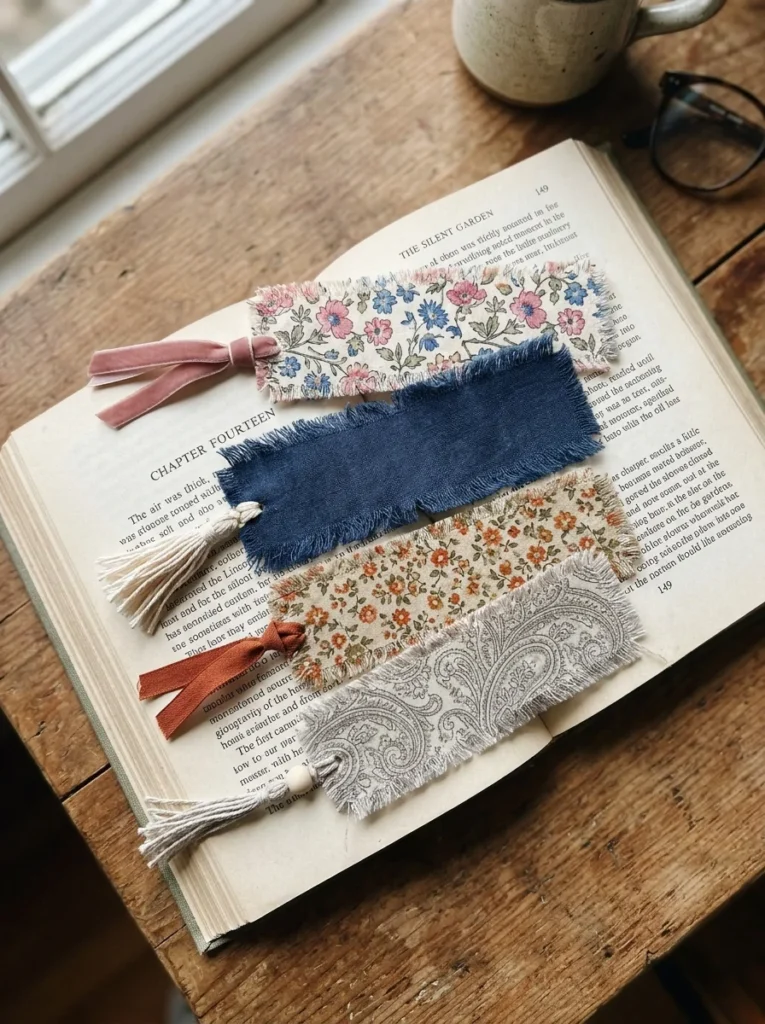
Bookmarks are a fast project for using up thin strips of fabric. Cut a rectangle about two inches by seven inches from two coordinating scraps. Sew them right sides together, leaving a small gap to turn it inside out. Press it flat and topstitch around the edge. Add a ribbon or fabric loop at the top corner for a tassel. This project takes less than fifteen minutes once you get the hang of it. It’s a great way to practice straight stitching if you’re newer to sewing. You can batch these out using a pile of small scraps in one sitting. They make excellent stocking stuffers or teacher gifts during the school year. Skip buying interfacing by using two layers of fabric instead, which keeps the bookmark sturdy without extra cost. If you have leftover bias tape from another project, that works well for the tassel loop too. This is a zero-waste way to clear out your smallest fabric pieces.
3. Scrappy Drawstring Bags
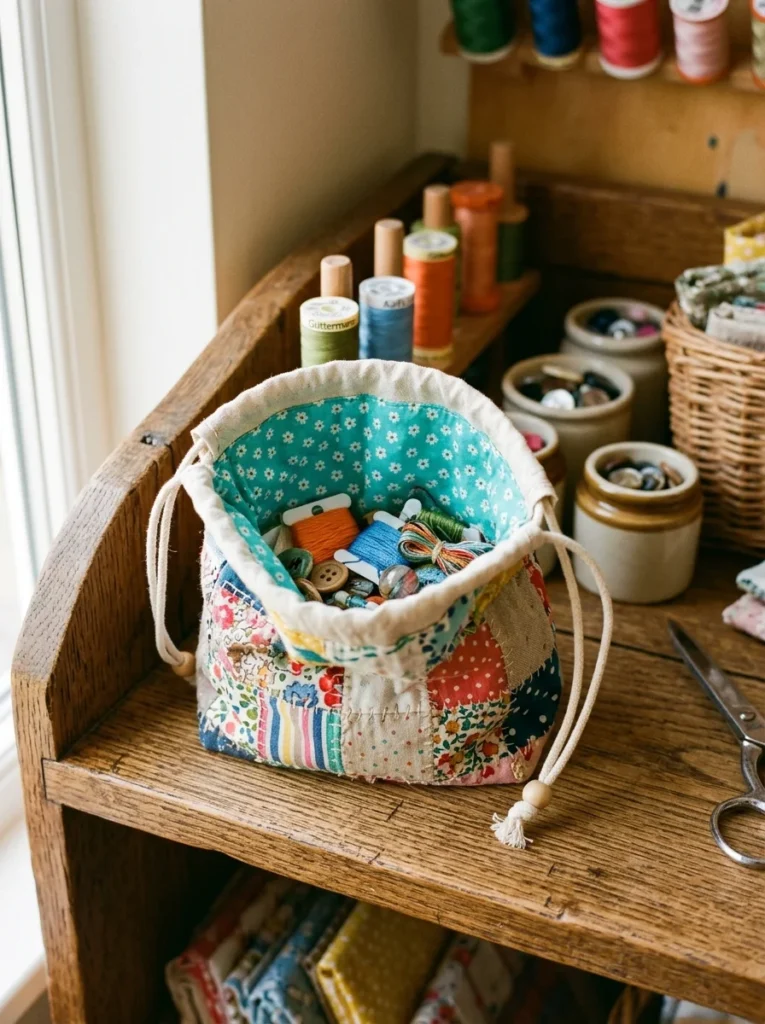
Drawstring bags are useful for storing small items like jewelry, hair ties, or travel toiletries. Sew several scraps together to make one larger piece of fabric, then cut it into a rectangle. Fold it in half, stitch the sides, and create a small channel at the top for the drawstring. Thread a piece of ribbon or leftover cording through the channel. This project works well with mismatched scraps since the patchwork look is part of the charm. Use an old shoelace if you don’t have cording on hand. These bags make a practical alternative to buying plastic organizers. Sew a batch in different sizes for various uses around the house. Small ones hold earrings, while larger ones store hair accessories or sewing notions. They also work as reusable gift bags instead of wrapping paper, which saves money during the holidays. This project uses fabric that’s often too small for anything else, making it a genuinely zero-waste solution.
4. Quilted Pot Holders
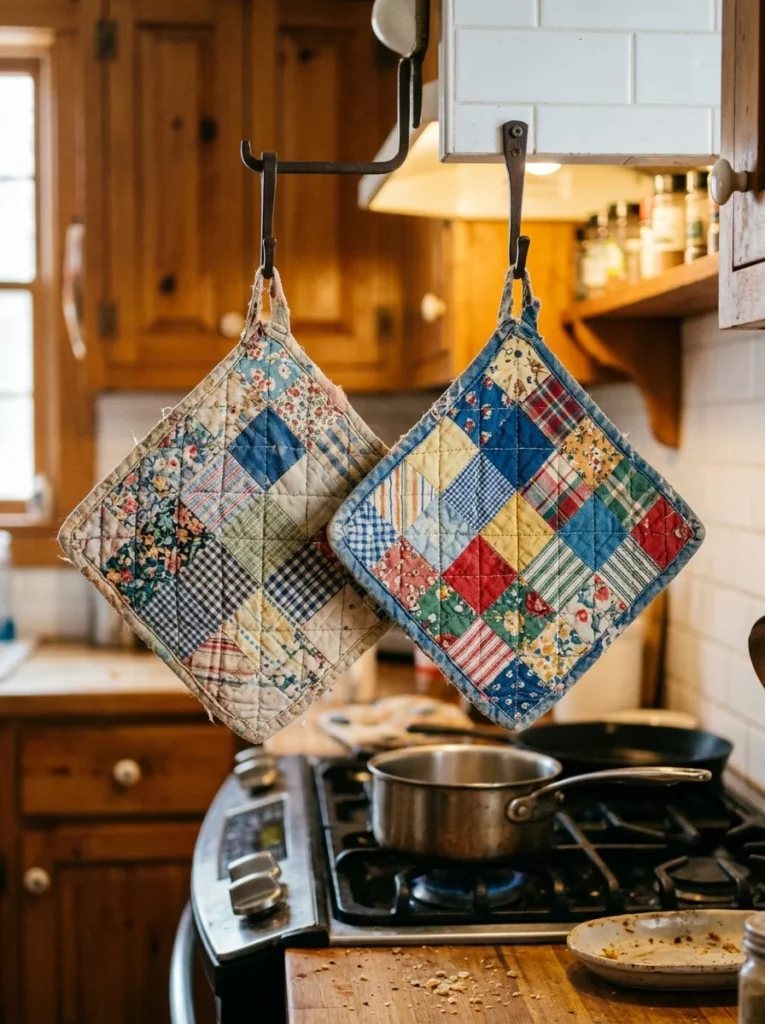
Pot holders need to be thick enough to protect your hands, so this is a good project for stacking multiple scrap layers. Cut your scraps into matching squares, sew them into a patchwork top, then layer it with batting or even an old folded towel for insulation. Quilt the layers together with simple lines or a crosshatch pattern. Bind the edges with bias tape made from a leftover strip of fabric. This project uses up thicker scraps like denim or canvas particularly well, since those materials add heat resistance. Add a fabric loop in one corner so you can hang it near your stove. Making your own pot holders saves you from buying store versions, which often wear out fast anyway. If you bake or cook often, sew a few extras for backup. This is also a great gift project for housewarmings. The patchwork design hides any mismatched colors, so it works no matter what scraps you have left in your bin.
5. Fabric Scrap Garlands
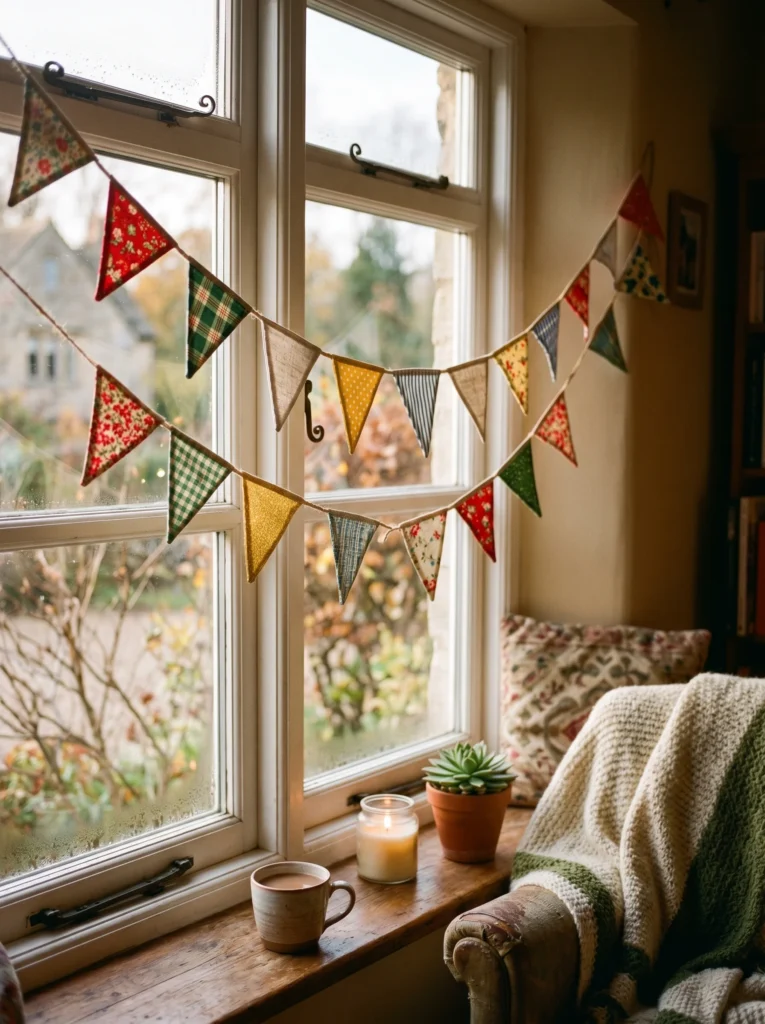
Fabric garlands are a simple decoration project that uses tiny triangle-shaped scraps. Cut your fabric into triangles, then fold the top edge over a length of twine or ribbon and stitch it in place. Repeat with as many triangles as you want along the string. This works for birthday party décor, holiday decorations, or just a fun addition to a kid’s bedroom. You don’t need a sewing machine for this one if you prefer hand-stitching, which makes it a relaxing evening project. Mix patterns and solids for a playful look, or stick to a color theme for something more polished. This is one of the few projects where uneven or oddly shaped scraps actually work in your favor, since the triangles can be cut from leftover slivers. Garlands also reuse well year after year if stored carefully. Skip buying paper banners for parties and make a reusable fabric version instead, which saves money over time and reduces party waste.
6. Stuffed Fabric Scrap Pincushions
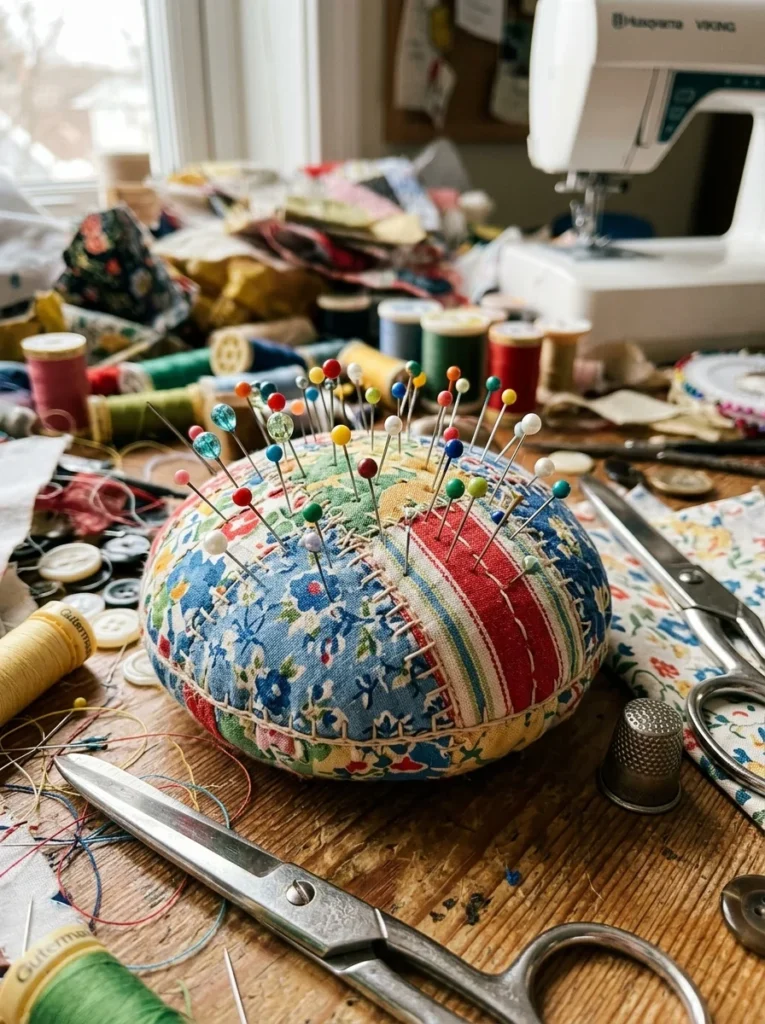
Pincushions are a classic beginner project, and they’re perfect for the smallest scraps in your stash. Cut two circles of fabric about four inches across. Sew them together, leaving a gap for stuffing. Fill it with stuffing, leftover batting scraps, or even old rice for some weight. Hand-stitch the gap closed. You can make this fancier by adding a button in the center, pulled tight with thread to create a tomato-shaped pincushion. This project barely uses any fabric, so it’s a great way to use those awkward little pieces that are too small for anything else. Every sewist needs more than one pincushion, so make a few for different rooms or sewing stations. They also make thoughtful gifts for crafting friends. If you don’t have stuffing, cut up an old pillow or stuffed animal for filler material. This keeps your project completely budget-friendly while clearing out scraps that would otherwise sit unused for years.
7. Patchwork Tote Bag Lining
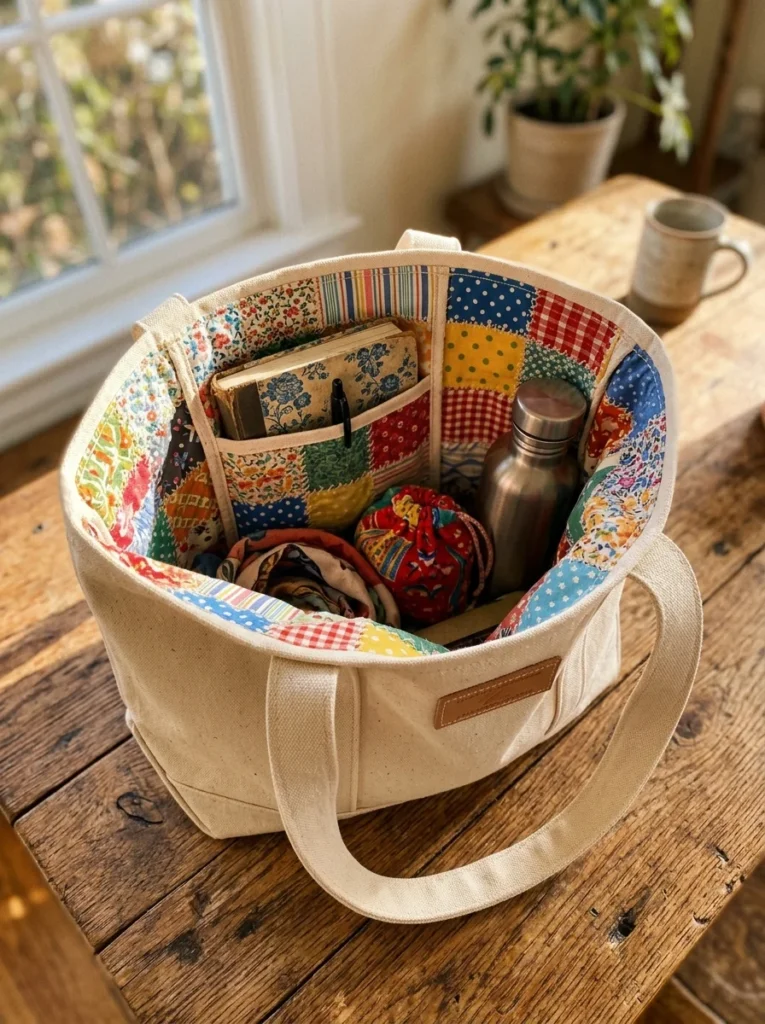
If you’re sewing a tote bag from scratch, the lining is a great place to use up scraps that don’t match your main fabric. Piece together several scraps into one large rectangle, then use that pieced fabric as your lining material instead of buying something new. Nobody sees the lining as much as the outside, so mismatched colors and patterns work fine here. This is a smart way to stretch your fabric budget on a bigger project. If your scraps are uneven, simply trim them to straight edges before piecing them together. This technique also adds a personal touch that store-bought bags never have. Use a sturdy thread and reinforce the seams since linings get some wear over time. This approach works for any bag pattern, including totes, backpacks, and zippered pouches. It’s an easy way to avoid buying extra yardage when you already have enough scraps sitting in a bin from past projects.
8. No-Sew Scrap Fabric Yarn
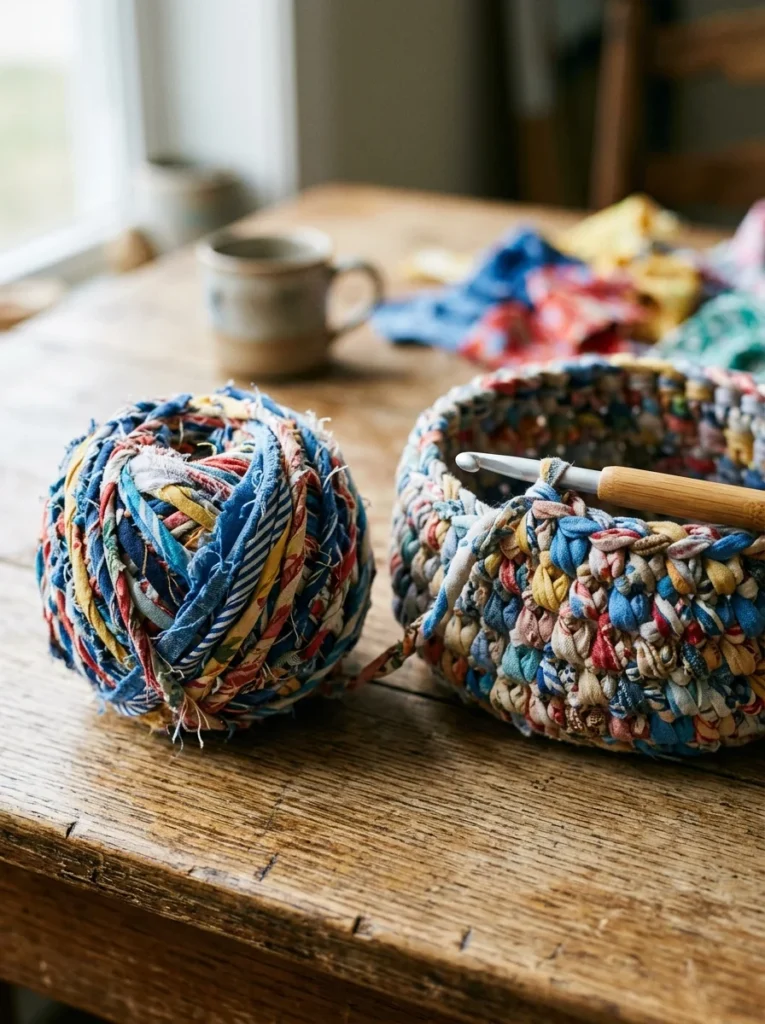
If you want a no-sew option, turn your fabric scraps into “yarn” for crocheting or weaving. Cut your scraps into long strips about one inch wide. Tie the ends together to create one continuous length, or twist them together for a thicker cord. Wind it into a ball just like real yarn. This fabric yarn works for crocheting baskets, rugs, or trivets. It’s thicker than regular yarn, so projects come together fast. This is one of the best ways to use stretchy knit scraps like old t-shirts, since they don’t fray and roll into smooth strips easily. You can mix multiple fabric types for a textured, varied look. This method skips your sewing machine entirely, making it a good rainy-day project for relaxing on the couch. It also gives a second life to fabric that’s too small or oddly shaped for traditional sewing. Store extra fabric yarn balls in a basket for whenever inspiration strikes.
9. Scrap Fabric Hair Scrunchies
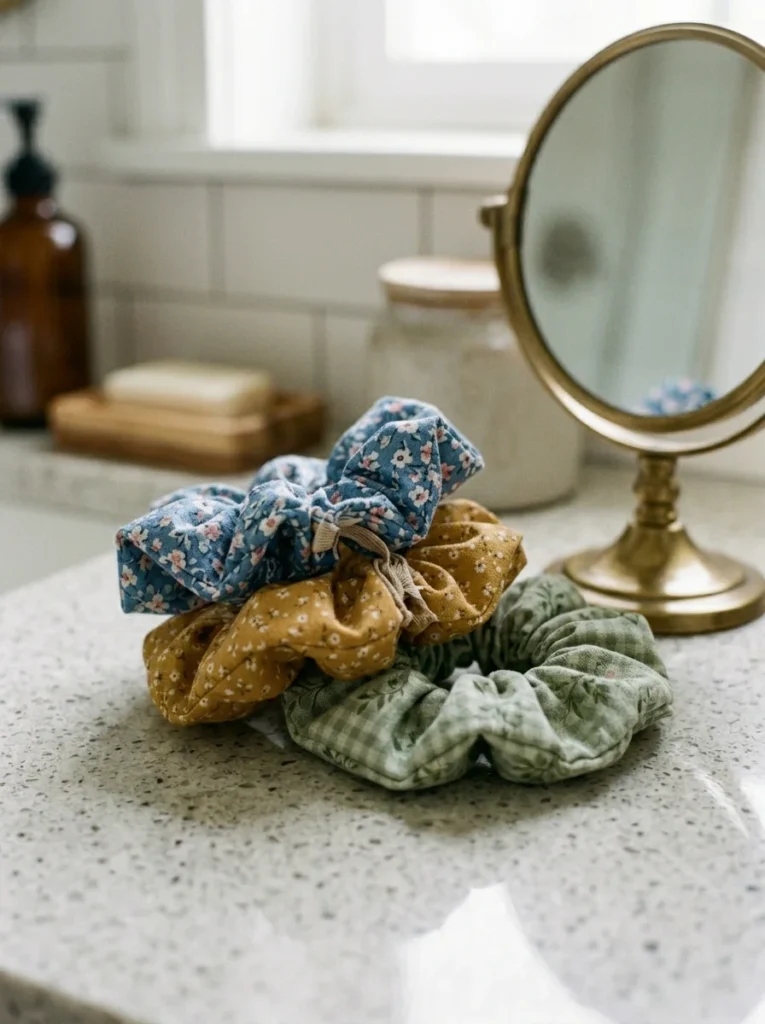
Scrunchies are quick, satisfying, and use barely any fabric. Cut a strip about three inches wide and twenty inches long. Fold it in half lengthwise, sew along the open edge, and turn it right side out using a safety pin or turning tool. Thread elastic through the tube, then stitch the ends together to form a loop. This project takes under ten minutes once you’ve made a few. It’s a great way to use long, thin scraps that are too narrow for most other projects. Scrunchies also make excellent stocking stuffers or party favor gifts for kids. If you don’t have elastic on hand, check if you have any worn-out scrunchies you can repurpose the elastic from. Mixing fabric prints adds personality, and these sell well at craft fairs if you’re looking to make a little extra cash from your stash. This project proves that even the smallest strips of fabric have a purpose.
10. Fabric Scrap Wreaths
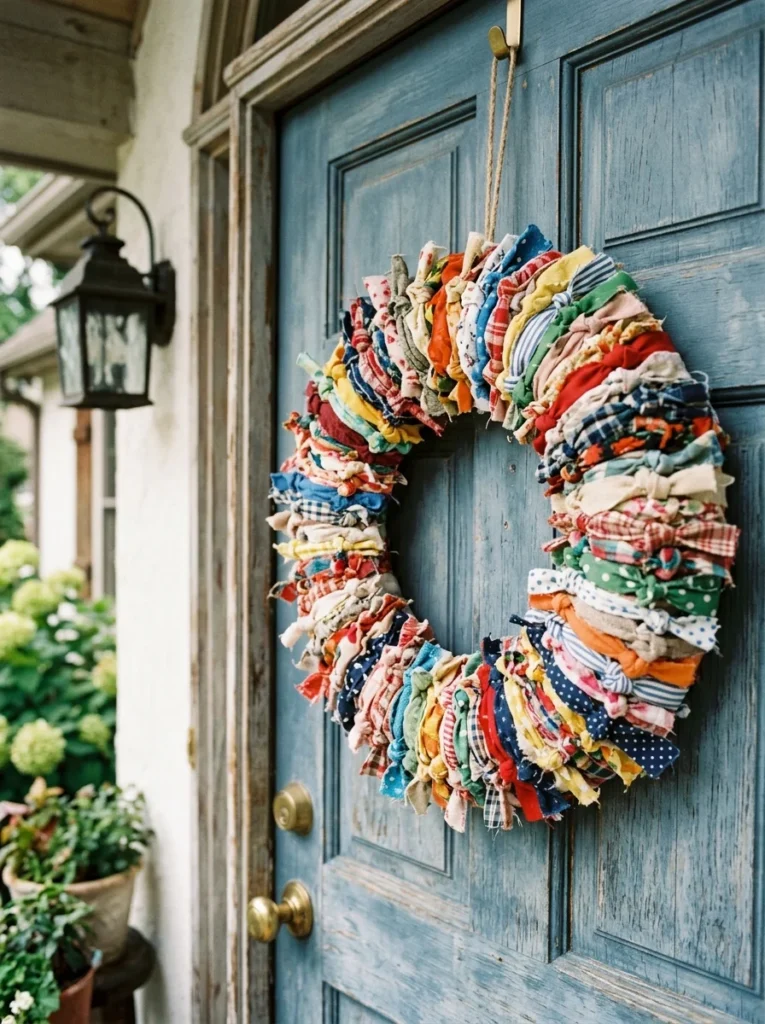
A fabric scrap wreath is a budget-friendly decoration that uses a wire or foam wreath form as its base. Cut your scraps into strips, then tie each one around the wreath form in a simple knot. Keep adding strips until the entire form is covered. This works especially well with mismatched patterns since the texture is the main appeal, not matching colors. You can theme it for different seasons by choosing strips in seasonal colors, like orange and brown for fall or red and green for winter. This project doesn’t require any sewing machine work at all, just simple knot-tying, which makes it approachable for beginners or kids. It’s also a good way to use up frayed or worn fabric that’s not strong enough for clothing or bags. Wreath forms can be found cheap at craft stores or reused from a previous decoration. This project turns scraps that might otherwise be discarded into a piece of home décor that lasts for years.
11. Patchwork Baby Bibs
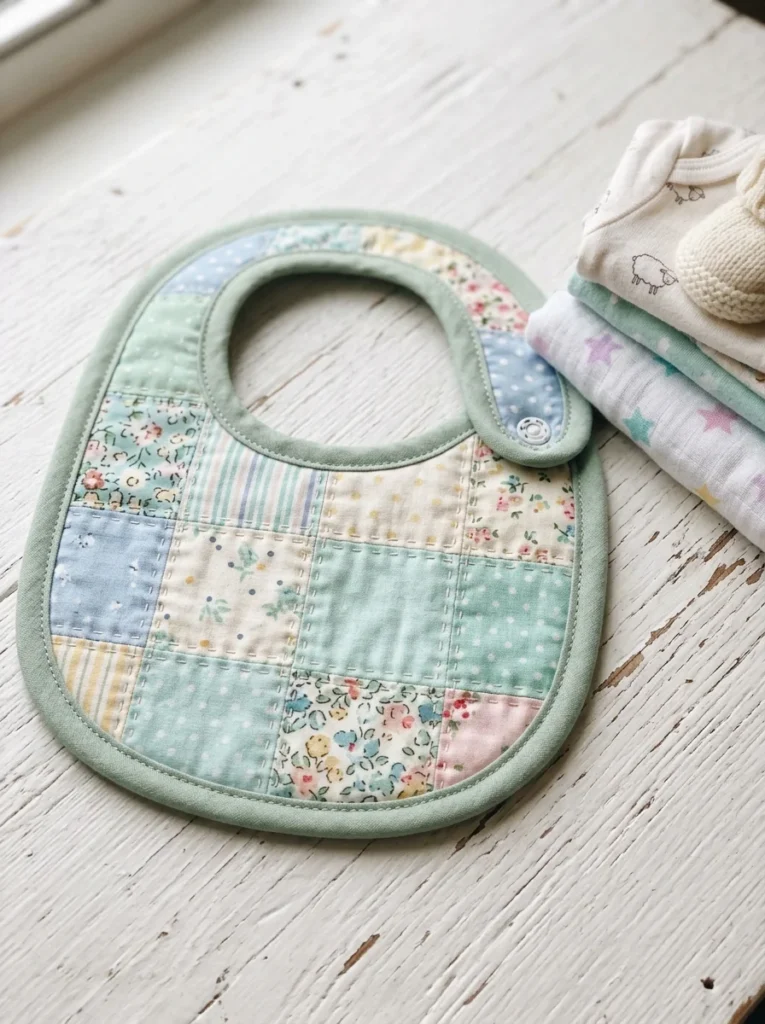
Baby bibs are small enough that scraps work perfectly for the whole project. Trace a bib shape onto paper or use a simple curved rectangle, then cut two layers from pieced scrap fabric. Add a layer of absorbent material like an old towel or flannel scrap in between for extra protection. Sew the layers together, leaving a gap to turn it right side out, then topstitch around the edges. Add a snap or piece of elastic for closure. This project is a smart choice for new parents on a budget, since baby items get messy fast and having extras on hand saves money. Soft cotton scraps work best since they’re gentle on a baby’s skin. If you have flannel scraps left from another project, those add coziness and absorb spills well. Make a few in different patterns for variety. This is also a thoughtful, low-cost baby shower gift that feels personal without costing much at all.
12. Fabric Scrap Memory Quilts
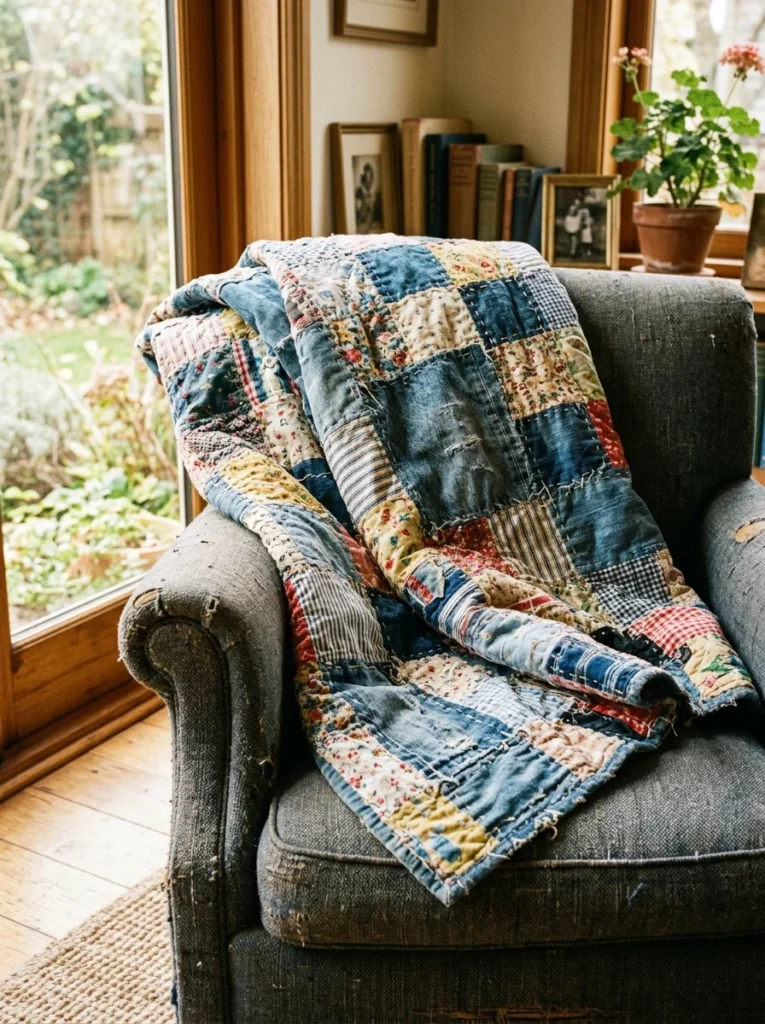
Memory quilts turn sentimental fabric scraps, like old baby clothes or worn-out shirts, into something you can keep and use. Cut your scraps into uniform squares or rectangles, then piece them together into rows. Back the quilt with a single larger piece of fabric and add batting in between if you want extra warmth. Quilt the layers together with simple straight lines, then bind the edges. This project takes longer than smaller scrap projects, but it’s worth the time since it preserves memories in a practical form. You don’t need matching fabric weights, though it helps to avoid mixing very heavy and very light fabrics in the same quilt. If some pieces are stretchy, like t-shirt material, back them with a lightweight interfacing scrap to stabilize them before sewing. This project works well for baby clothes outgrown over the years, old t-shirts from concerts or trips, or fabric scraps from a loved one’s sewing projects. It’s a meaningful way to keep memories close.
13. Scrap Fabric Headbands
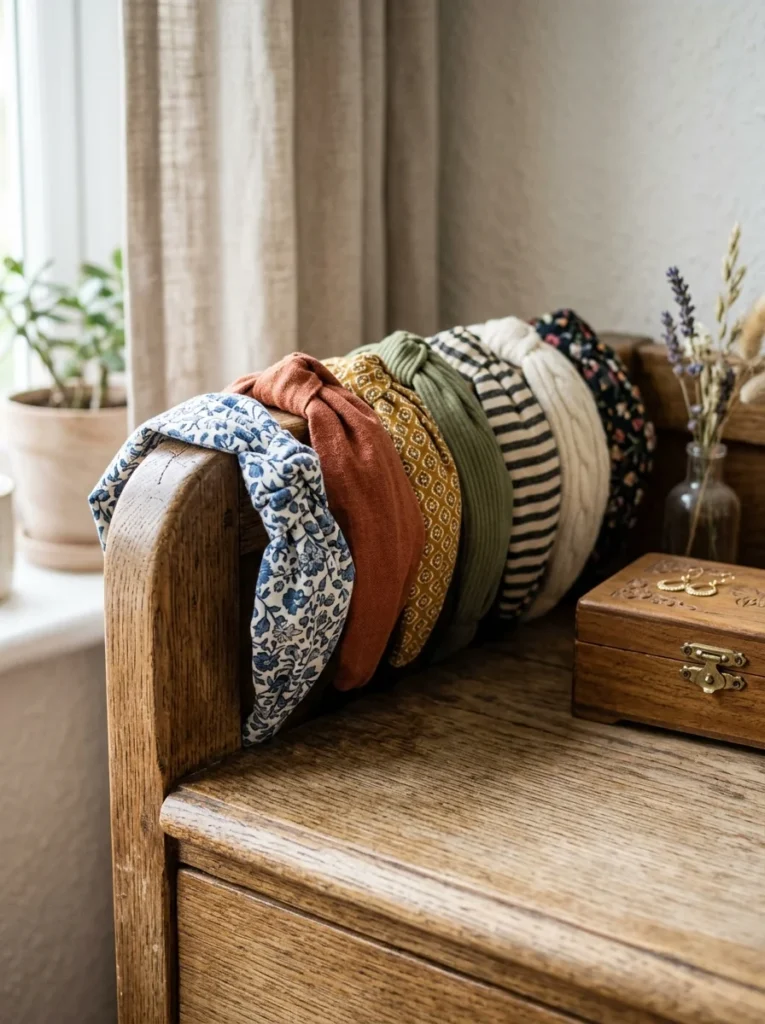
Headbands are another fast project that barely dents your scrap pile. Cut a strip about four inches wide and the length of your head measurement plus a few extra inches. Sew it into a tube, turn it right side out, and stitch the short ends together to form a loop. For a knotted look, twist the fabric tube before stitching the ends. This project works for both adult and kids’ sizes, so it’s easy to customize. Use stretchy knit scraps for a comfortable, no-slip fit, or quilting cotton for a more structured style. These make great gifts for birthdays or just because, and they cost almost nothing to make. If you have elastic scraps, add a small stretchy section in the back for a better fit on kids. Batch-make several at once using different leftover prints, since the process is repetitive and goes fast once you’ve made the first one. This is a simple way to turn fabric scraps into something wearable.
14. Patchwork Zipper Pouches
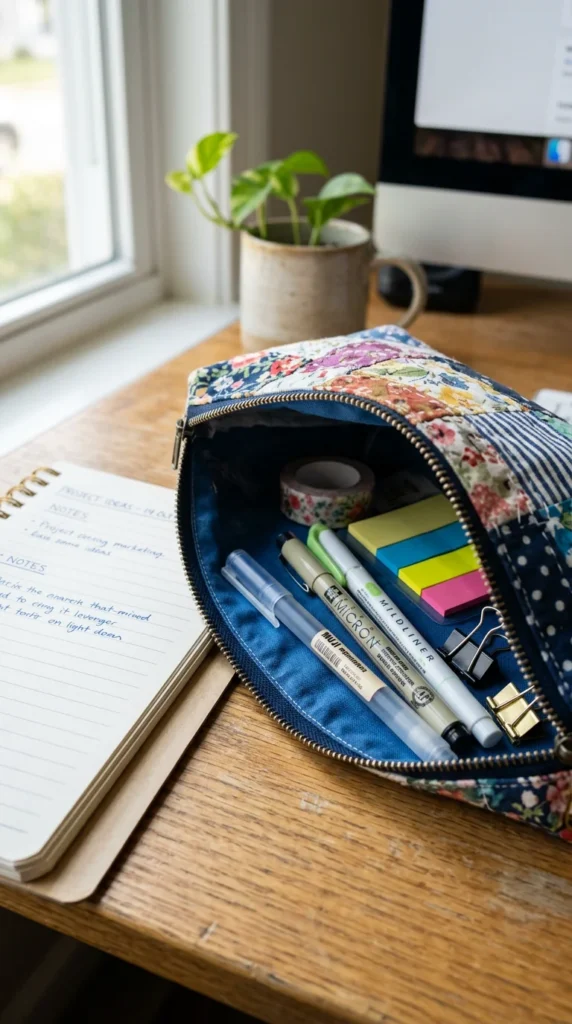
Zipper pouches are useful for organizing small items like makeup, pens, or cords, and they’re a great project for scrap fabric. Piece together scraps into a rectangle large enough for your pattern, then sew in a zipper along one edge. Add a lining piece, which can also be pieced from scraps, then sew the sides together and turn it right side out. This project takes a little more skill since you’re working with a zipper, but it’s a good way to practice that skill using fabric you won’t be upset about if it doesn’t turn out perfectly. Mismatched scraps actually look intentional in a patchwork pouch, so don’t worry about color coordination. If you don’t have a zipper on hand, check old clothing for one you can remove and reuse. These pouches make practical gifts and replace store-bought organizers that often cost more for less personality. Make several sizes for different uses around your home or bag.
15. Fabric Scrap Coasters with Stitched Edges
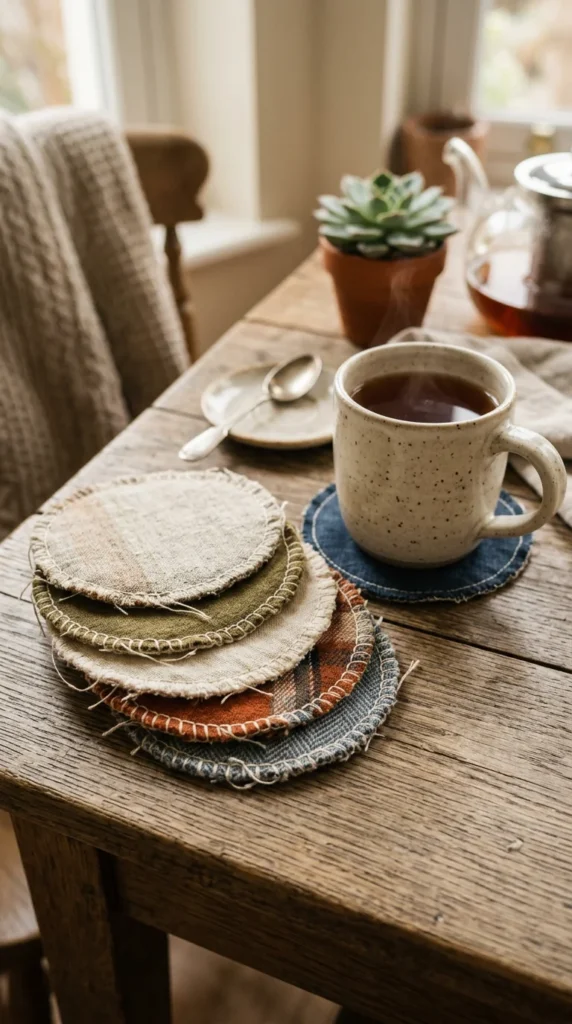
This raw-edge version of coasters skips binding altogether, which makes it even faster than the patchwork style. Cut two circles of fabric slightly larger than your desired coaster size. Sandwich a layer of batting or felt scrap between them, then sew around the edge with a wide zigzag stitch. Trim close to the stitching line so the edges fray slightly for a textured look. This style works great with looser-weave fabrics like linen scraps, since the frayed edge becomes a design feature rather than a flaw. It’s also faster than binding-style coasters since there’s no folding or trimming corners involved. This project is good for using up odd-shaped scraps since you’re cutting circles anyway, which means the original shape of your scrap doesn’t matter much. Felt scraps work particularly well as the middle layer since they don’t fray and add good thickness. These make a casual, rustic addition to any kitchen table without costing anything beyond what’s already in your scrap bin.
16. Scrap Fabric Stuffed Toys
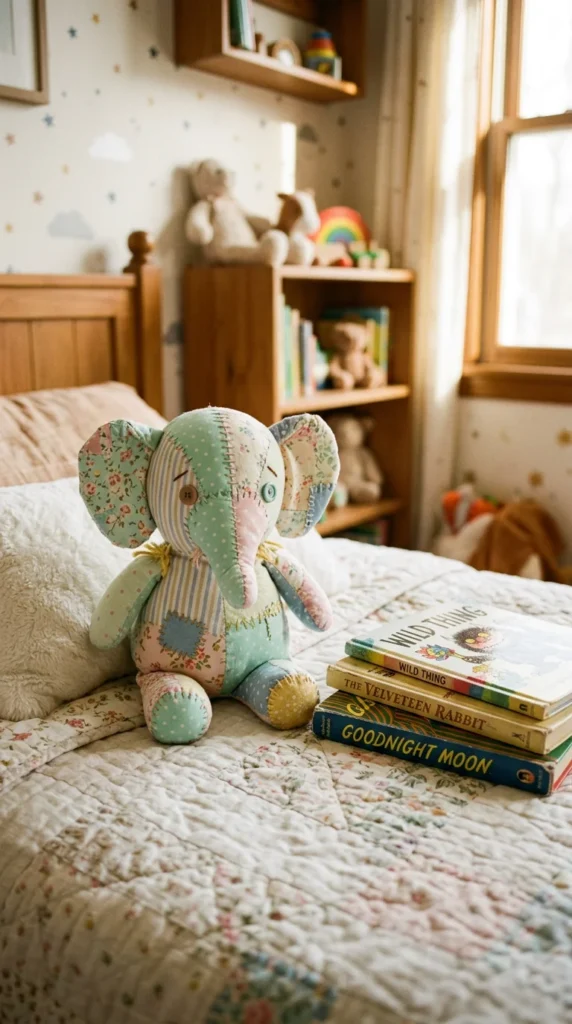
Small stuffed toys are a fun way to use scraps while making something a kid will actually enjoy. Choose a simple shape like a heart, star, or basic animal silhouette. Cut two matching pieces from your scraps, sew them together with right sides facing, leaving a gap for stuffing. Turn it right side out, stuff it with filling or leftover batting scraps, then hand-stitch the opening closed. Add simple embroidered details like eyes or a smile using leftover thread. This project doesn’t require advanced sewing skills, which makes it good for beginners or for involving older kids in a simple craft project. Soft cotton or flannel scraps work best since they’re gentle and washable. These toys make thoughtful, low-cost gifts for younger kids, and they’re a great way to use up novelty print scraps that are too small for clothing but too fun to throw away. Keep a few simple shapes on hand for quick gifts whenever you need one.
17. Patchwork Table Runners
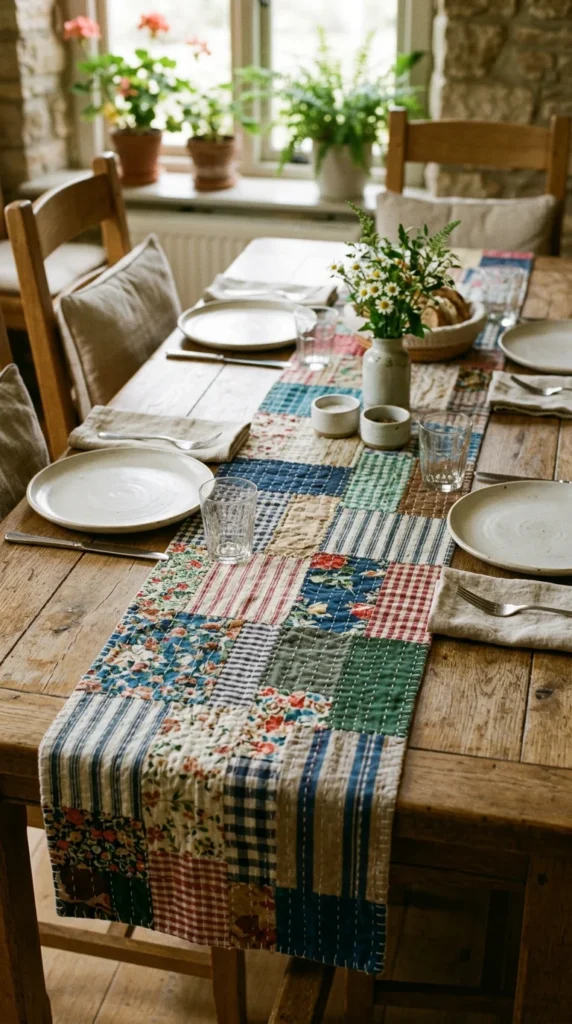
Table runners use more fabric than smaller projects, making them a good option once your scrap bin has built up. Cut your scraps into uniform strips or squares, then piece them together into a long rectangle. Back it with a single piece of fabric, add a thin layer of batting if you want some structure, and quilt the layers together with simple lines. Bind the edges with a strip of fabric, which can also come from your scraps if you have a long enough piece. This project adds color and texture to a dining table without spending money on a store-bought runner. Mixing patterns and colors gives it a relaxed, eclectic look that works for casual dining. If your scraps vary in fabric weight, stick to similar types like all cotton or all linen for a more even finished result. This is a good weekend project once you’ve saved up enough fabric scraps from several smaller projects over time.
18. Fabric Scrap Bunting Banners
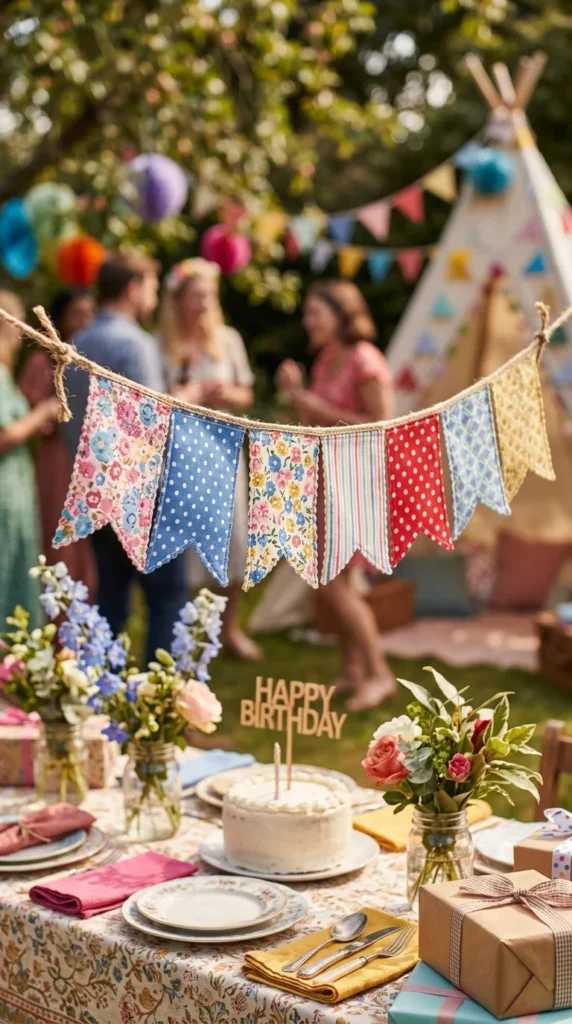
Bunting banners are similar to garlands but use slightly larger flag shapes, often with rounded or scalloped bottoms instead of triangles. Cut your scrap fabric into flag shapes, then fold the top edge over a length of bias tape or ribbon and stitch it down. Repeat with as many flags as you need for your space. This project works well for birthday parties, baby showers, or seasonal home décor. Reusable fabric bunting saves money compared to buying paper banners every time you need one for an event. Mixing prints and solids creates a fun, festive look, while sticking to one color palette gives a more polished result for things like weddings or photo backdrops. This is a good project for using up larger scraps that are too big for tiny projects like bookmarks but too small for garments. Store your bunting flat or rolled in a bag so it’s ready to use again at the next celebration without any extra cost.
19. Scrap Fabric Phone Stands
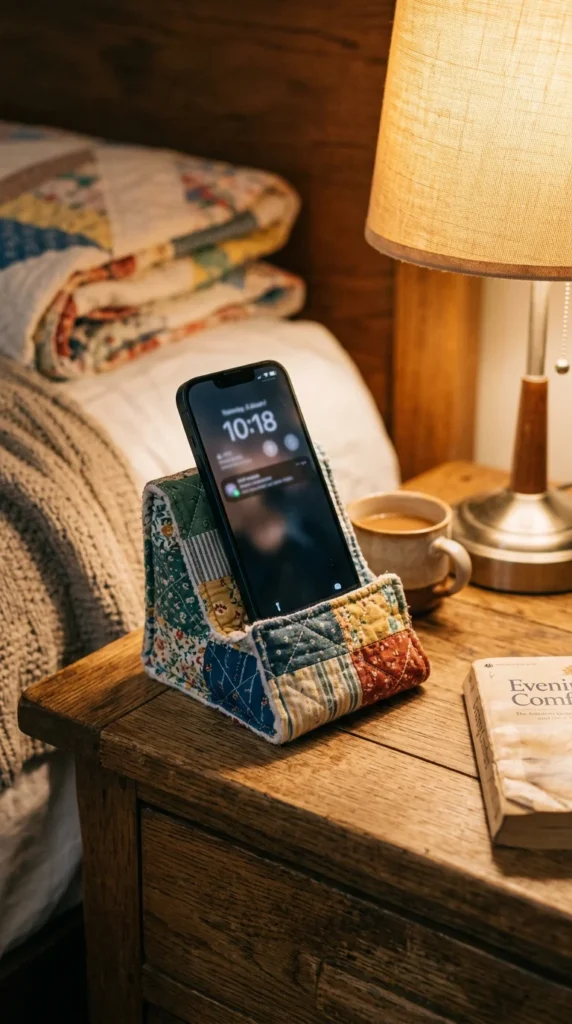
This is a clever, practical project that turns scraps into a useful desk accessory. Cut a rectangle of pieced fabric scraps, add a layer of batting or stiff interfacing for support, and fold it into a triangle or wedge shape that holds a phone upright. Sew along the open edges to secure the shape, leaving a slot for the phone to rest in. This project uses scraps that are too small for clothing but just right for small accessories like this. It’s a fun gift for coworkers, students, or anyone who keeps their phone propped up at a desk. If you don’t have stiff interfacing, a piece of cardboard wrapped in fabric works as a sturdy substitute inside the stand. This project also works well with denim scraps since the heavier fabric holds its shape nicely without much extra structure needed. Once you’ve made one, the pattern is easy to repeat with different leftover fabrics for variety.
20. Fabric Scrap Quilted Mug Rugs
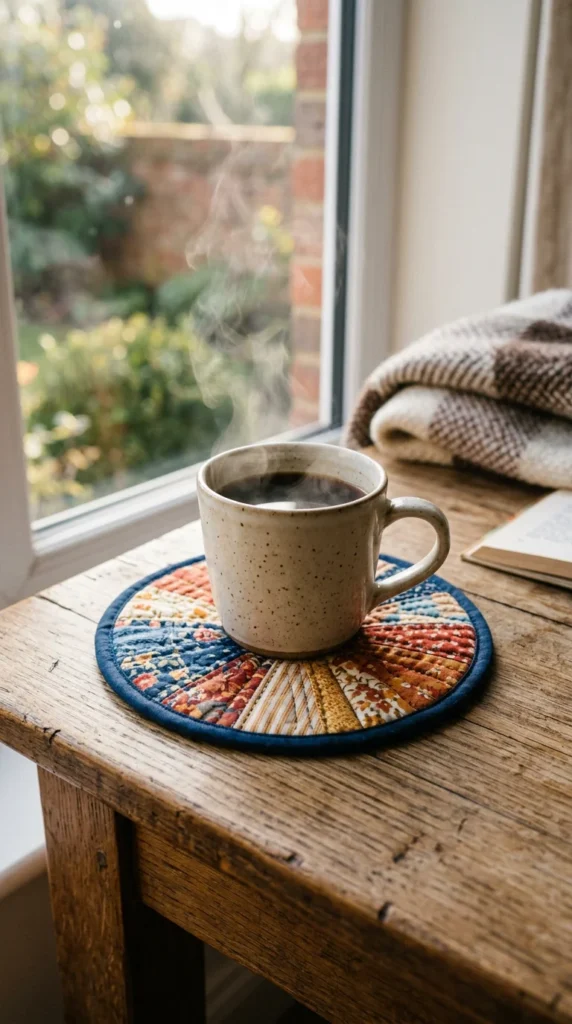
Mug rugs are like oversized coasters, sized to hold both a mug and a small snack or cookie. Piece together scraps into a rectangle about five by eight inches, then layer it with batting and a backing piece. Quilt the layers together with straight lines or a simple grid, then bind the edges with a strip of leftover fabric. This project is slightly bigger than a coaster but still small enough to finish in under an hour. It’s a popular item at craft fairs and makes a thoughtful, low-cost gift for coffee lovers. Mixing patterns gives it a scrappy, handmade charm that feels personal. If you don’t have enough batting for a full project, a folded piece of flannel works as a substitute. This is a good project for using up your odd, leftover strips that are too narrow for garments but perfect for piecing into something small and functional like this.
21. Patchwork Pet Bandanas
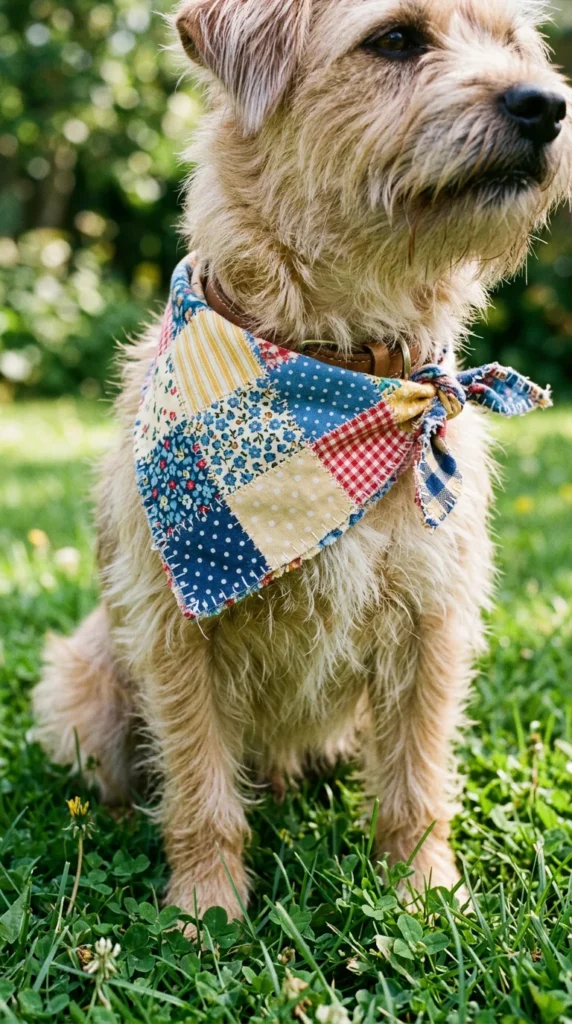
Pet bandanas are a fun, low-stakes project since sizing doesn’t need to be exact. Cut a triangle shape from pieced scrap fabric, large enough to tie around your pet’s neck with some overlap. Fold the long edge over and stitch it down to create a clean hem, or simply sew a binding strip along that edge for a finished look. Add ties at the two points, either from fabric strips or leftover ribbon. This project uses small, mismatched scraps well since the bandana shape doesn’t require large pieces. It’s a fun way to dress up your pet for holidays or just everyday wear without spending money on store-bought pet accessories. Soft cotton scraps work best so they’re comfortable against your pet’s fur. Make a few in different sizes if you have pets of different sizes, or make extras as gifts for friends with pets. This project barely touches your fabric budget since it uses such small amounts of material.
22. Scrap Fabric Trivets
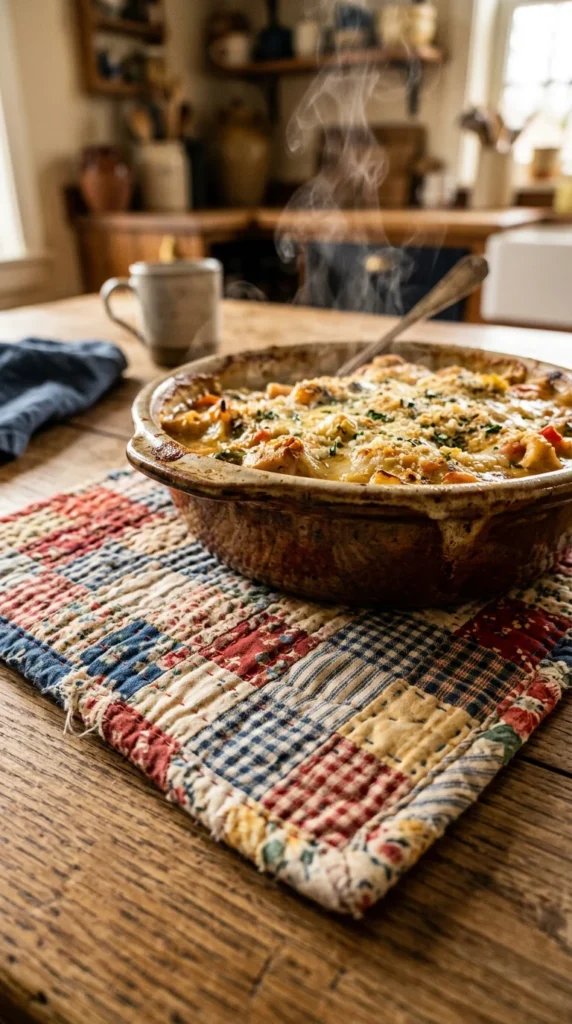
Trivets need extra thickness to protect surfaces from heat, making them a great project for stacking several layers of leftover batting or old towel scraps. Piece together your fabric scraps into a square or circle, then layer it with multiple layers of batting or insulated lining material if you have some on hand. Quilt the layers together with dense stitching to hold everything in place, then bind the edges. This project works well with thicker scraps like canvas, denim, or cotton duck since those materials hold up better to heat exposure over time. If you don’t have insulated batting, stacking three or four layers of regular cotton batting works as a substitute. These trivets make a practical kitchen accessory and a good gift for anyone who cooks often. They’re also sturdy enough to handle daily use without falling apart quickly. This project turns thicker, heavier scraps that don’t work well for clothing into something genuinely functional in your kitchen.
23. Fabric Scrap Book Covers
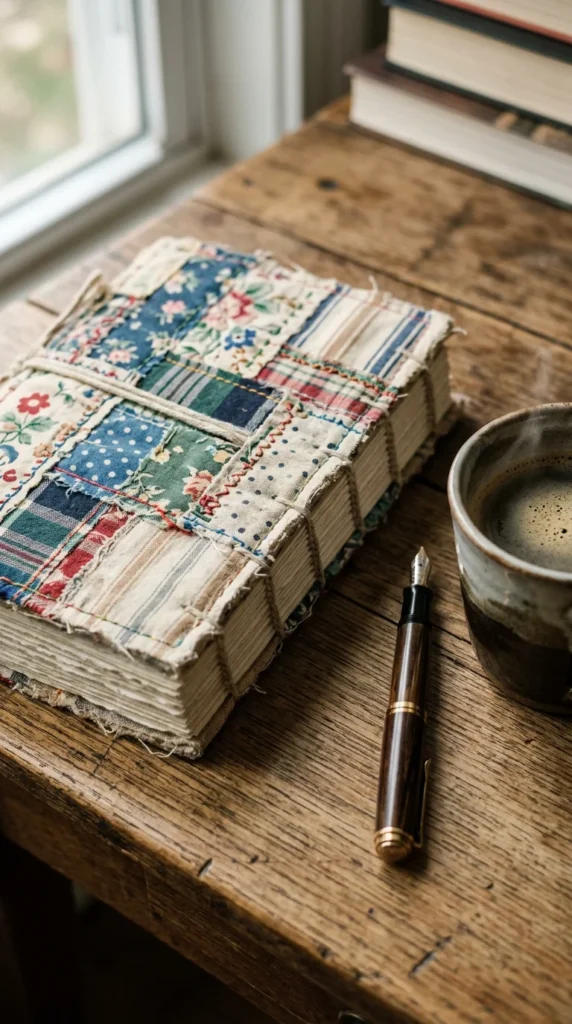
Covering a notebook or journal in fabric scraps is a simple way to personalize something plain. Measure your book or notebook, then cut a piece of pieced scrap fabric large enough to wrap around the cover with extra room to fold over the edges. Glue or stitch the fabric to the cover, folding the edges neatly at the corners like wrapping a gift. This project works for both hardcover and softcover notebooks. It’s a great way to use leftover scraps that are too small for most other projects but large enough to cover a small book. Adding a fabric-covered notebook to a gift basket makes it feel more thoughtful without adding much cost. If you don’t have fabric glue, a basic running stitch along the edges works just as well to secure the cover. This project also makes plain composition books or planners look more personal, which is a nice touch for school supplies or work notebooks.
24. Patchwork Tea Towels
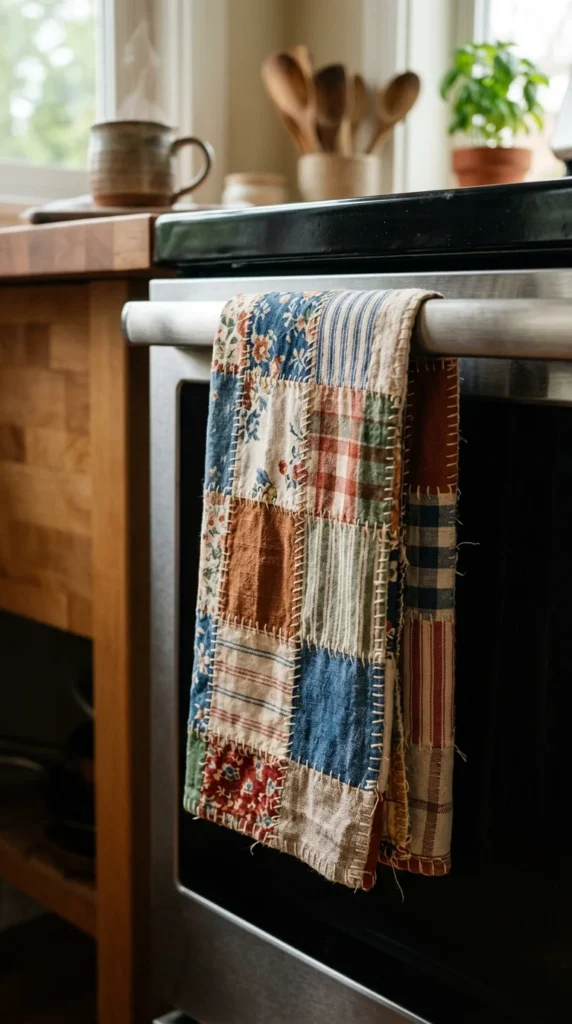
Tea towels are functional kitchen items that go through wear and tear quickly, so making your own from scraps is a smart way to save money. Piece together scraps into a rectangle about the size of a standard towel, then back it with a single piece of absorbent fabric like flannel or an old towel cut down to size. Sew around the edges, leaving a gap to turn it right side out, then topstitch to close the gap and add durability. Add a fabric loop in one corner for hanging near your stove. This project uses up medium-sized scraps that are too big for coasters but not quite enough for a garment. Cotton scraps work best for the front since they hold up well to regular washing. These towels make practical, low-cost gifts for housewarmings or holidays. Making your own also means you can match your kitchen’s color scheme using scraps you already have instead of buying new fabric.
25. Scrap Fabric Wall Art
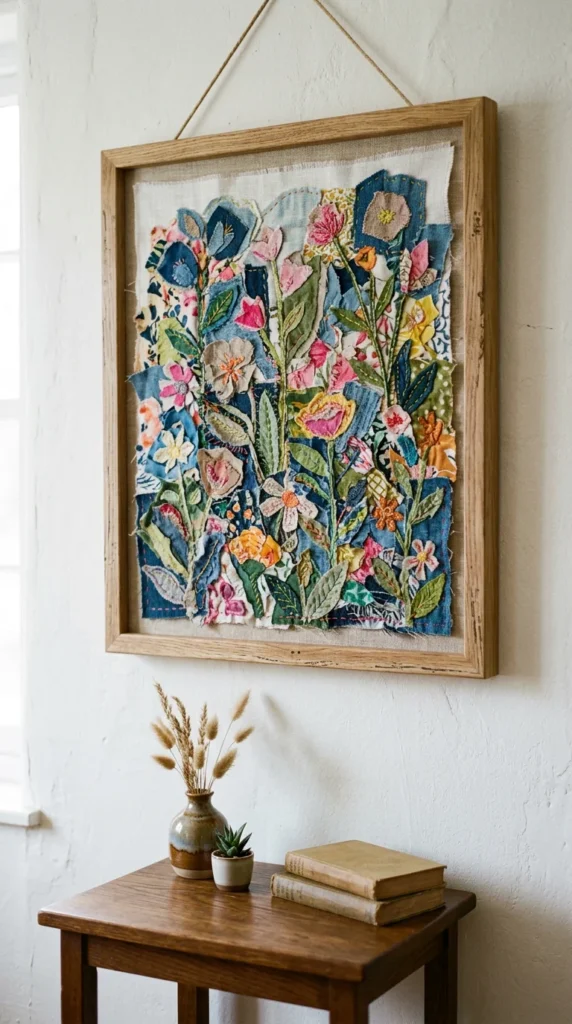
Fabric scrap wall art turns small pieces into a textured, layered design you can frame and hang. Cut shapes like leaves, geometric triangles, or simple abstract forms from your scraps, then arrange them onto a piece of backing fabric or canvas. Stitch each piece down with a simple straight or zigzag stitch, layering pieces for added texture and depth. Once finished, stretch the backing fabric over an embroidery hoop or simple frame for display. This project works well for using up small, oddly shaped scraps that don’t fit neatly into other projects. It’s also a good way to repurpose fabric with sentimental value, like a piece of an old baby blanket or a parent’s old shirt, into something you can display rather than store away. This project doesn’t require precise measurements, which makes it forgiving for beginners. Hang a few pieces together in a cluster for a gallery-style look that costs nothing beyond fabric you already own.
26. Fabric Scrap Reusable Produce Bags
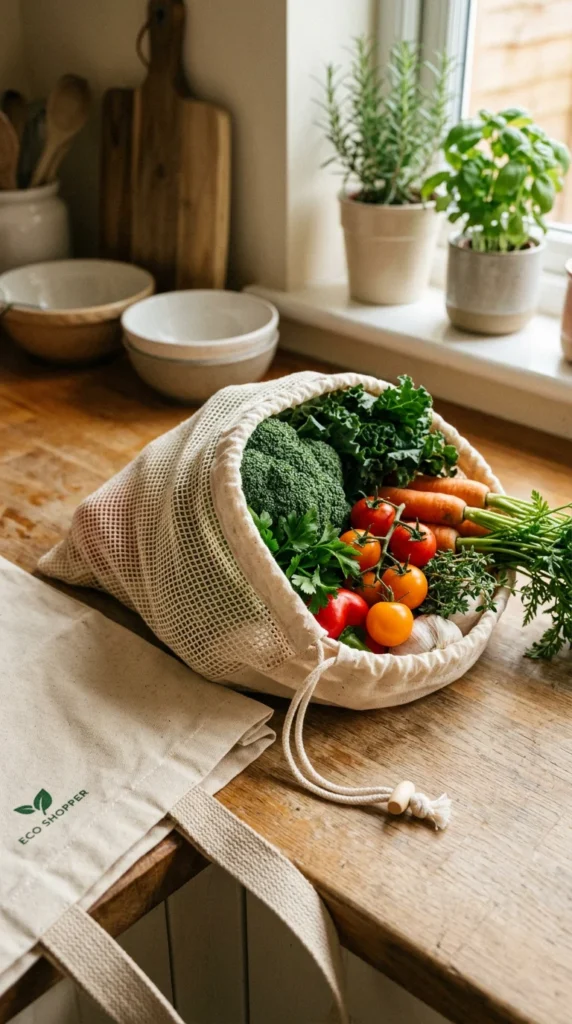
Reusable produce bags cut down on plastic waste at the grocery store, and they’re a practical way to use lightweight scraps like cotton voile or muslin. Cut a rectangle of fabric, fold it in half, and sew up the sides leaving the top open. Create a small channel near the top and thread a drawstring through for closure. Lightweight, breathable fabrics work best so your produce can still get airflow inside the bag. This project is a good use for thinner scraps that aren’t sturdy enough for bags or totes but work fine for something lightweight like this. Making a set of five or six bags replaces dozens of plastic bags over time, which adds up in savings and reduces waste. If you don’t have drawstring cord, a long shoelace or strip of leftover ribbon works as a substitute. Keep a few folded in your reusable shopping tote so they’re always ready for your next grocery trip.
27. Scrap Fabric Quilted Placemats
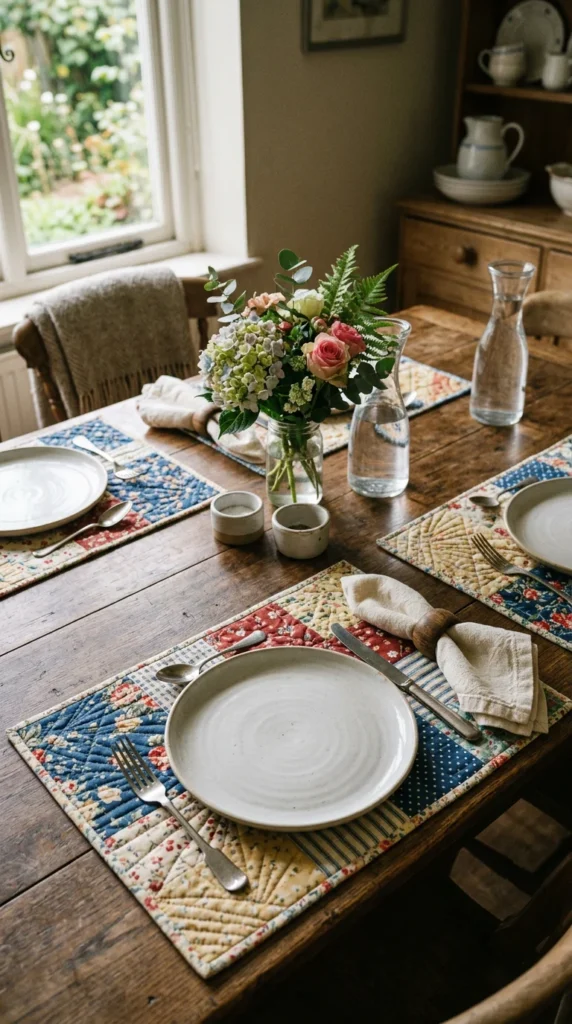
Placemats are a practical way to use a larger amount of scrap fabric in one project. Piece together scraps into a rectangle, layer it with batting, and back it with a single piece of fabric. Quilt the layers together with straight lines or a simple grid pattern, then bind the edges with a strip cut from your scrap stash. Making a full set of four or six placemats uses up a good amount of fabric at once, which is satisfying if your scrap bin has gotten full. These placemats protect your table and add color without the cost of buying a matching set from a store. Mixing patterns across each placemat gives your table a relaxed, eclectic feel, while keeping a consistent color palette ties the set together visually. This is a good project to tackle once you’ve collected scraps from several smaller projects, since it uses a wider variety of fabric types and prints in one finished set.
Conclusion
A drawer full of fabric scraps doesn’t have to sit untouched forever. From coasters and bookmarks to memory quilts and pet bandanas, every piece of leftover fabric has a place in a new project. These ideas cost little beyond what you already own, and many take less than an hour to finish. Start small with something like a pincushion or scrunchie, then work your way up to bigger projects like a table runner or memory quilt once your confidence grows. The next time you’re about to toss a fabric scrap, take a second look. It might be exactly what your next project needs.
